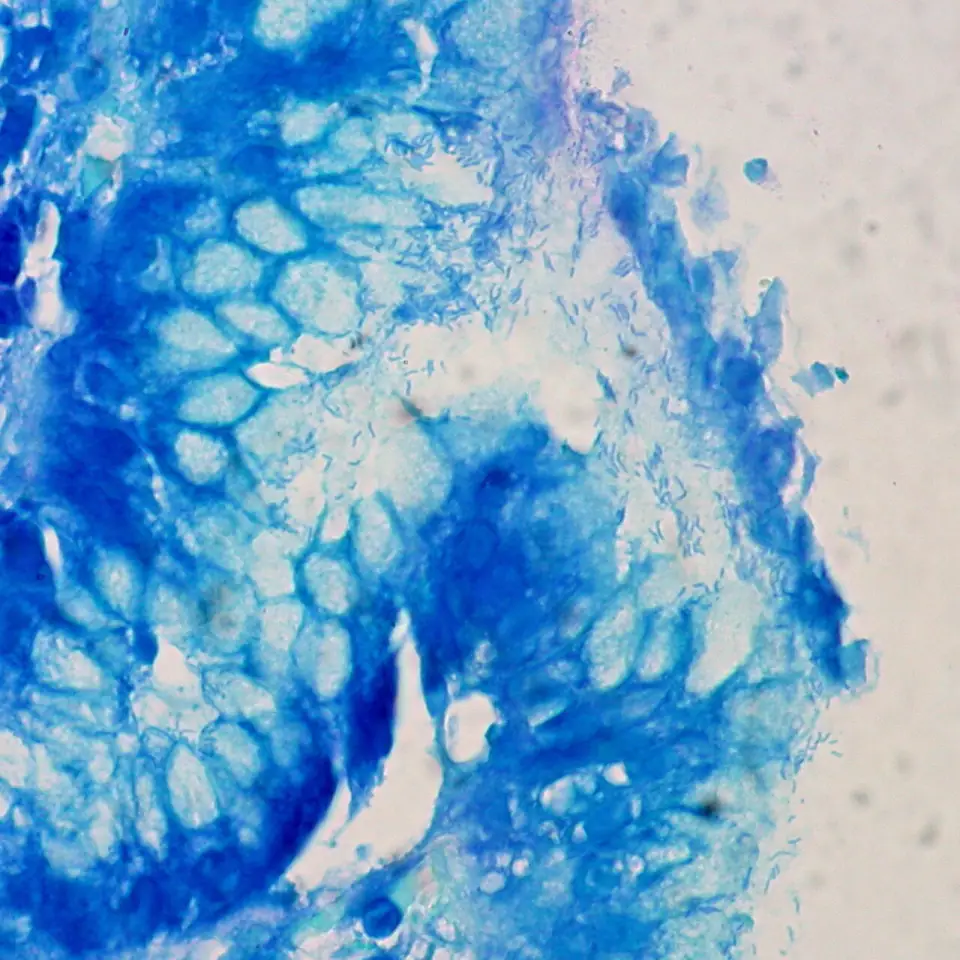
The impact of Helicobacter pylori infection and eradication therapies on gut microbiota: a systematic review of microbial dysbiosis and its implications in gastric carcinogenesis
GastroenterologiaPor ScienceMed · · a partir do resumo dos autores
Resumo original em inglês
O que aconteceu
Helicobacter pylori is a globally prevalent bacterium associated with several gastrointestinal diseases, including peptic ulcers and gastric cancer. Growing interest has emerged in understanding how H. pylori affects gut microbiota and whether eradication therapies impact microbial balance, potentially influencing disease outcomes, including cancer progression.
A systematic review was conducted across PubMed, Scopus, and Web of Science databases using predefined keywords and Medical Subject Headings (MeSH) terms. Quality assessment was performed using the MINORS and Jadad scales.
O que encontraram
A total of 45 studies met the inclusion criteria, which evaluated microbial changes in H. pylori -infected individuals before and after eradication therapies. H. pylori infection resulted in significant alterations in gut and gastric microbiota, with a notable increase in inflammation-associated bacteria, such as Proteobacteria and Streptococcus. In gastric cancer patients, microbial diversity was reduced, with decreased levels of Bifidobacterium and Actinobacteria, and increased levels of Prevotella and Dialister, both associated with pro-inflammatory environments. Eradication therapies generally worsened dysbiosis initially, but probiotic supplementation promoted faster recovery of beneficial bacteria, improving microbial balance and reducing cancer-related dysbiosis.
Por que isso importa
H. pylori infection disrupts the gut microbiota, with eradication therapies further altering microbial composition. The restoration of microbial diversity is improved by probiotic supplementation. Understanding the long-term impacts of these therapies on gut health is essential for refining treatment strategies, particularly in preventing H. pylori -associated diseases like gastric cancer.
Resumo publicado sob licença CC BY. A tradução para o português ainda não chegou a este estudo.
O estudo original
The impact of Helicobacter pylori infection and eradication therapies on gut microbiota: a systematic review of microbial dysbiosis and its implications in gastric carcinogenesis
Alia Albush, Fayez Yassine, Hassan Abbas, Aya Hanna, Esber Saba, Melhem Bilen
Descritores MeSH
- Dysbiosis
- Stomach Neoplasms
- Helicobacter pylori
- Helicobacter Infections
- Gastrointestinal Microbiome
- Anti-Bacterial Agents
- Humans
- Carcinogenesis
- Probiotics
Veja também
Estudos relacionados
- Effect of Helicobacter Pylori Eradication on Human Gastric Microbiota: A Systematic Review and Meta-Analysis
- Adjuvant Lactiplantibacillus plantarum Lp05 modulates gut microbiota and alleviates symptoms during Helicobacter pylori eradication
- Impact of Enterococcus faecium 129 BIO 3B-R on Helicobacter pylori eradication therapy side effects in adult patients: a randomized, double-blind, placebo-controlled study
- Meta-analysis of H. pylori and the gut microbiome interactions and clinical outcomes