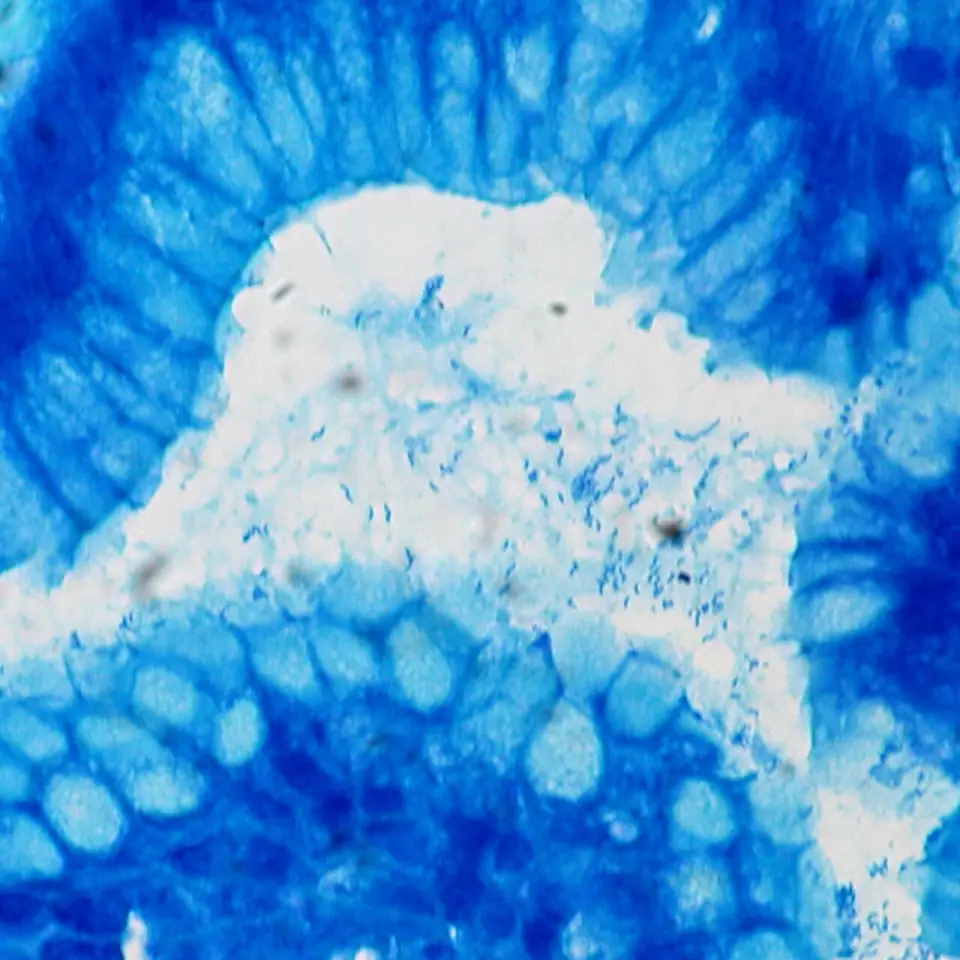
Meta-analysis of H. pylori and the gut microbiome interactions and clinical outcomes
InfectologiaPor ScienceMed · · a partir do resumo dos autores
Resumo original em inglês
O que aconteceu
Helicobacter pylori is a globally prevalent gastric pathogen associated with chronic gastritis, peptic ulcers, and gastric cancer. Its interaction with the gut microbiome (GM), a dynamic microbial community within the gastrointestinal tract, plays a critical role in modulating host immune responses and disease progression. This study aimed to investigate the complex interactions between H. pylori infection and the GM and to evaluate how microbiome alterations relate to clinical outcomes such as gastritis, ulcers, and gastric cancer.
A meta-analysis was conducted using publicly available 16S rRNA and shotgun metagenomic datasets. Microbiome composition differences were assessed using differential abundance analysis, alpha- and beta-diversity metrics, and principal component analysis (PCA). Random forest models were employed to predict the clinical outcomes based on microbiome and clinical data. Hyperparameter tuning and cross-validation were applied to ensure model robustness.
This study highlights the critical role of GM dysbiosis in H. pylori-related disease progression. The identified microbial signatures and predictive models offer promising tools for early diagnosis, risk stratification, and personalized treatment of H. pylori-associated gastrointestinal disorders. Future integration of multi-omics data may further unravel the microbial mechanisms and support microbiome-based precision medicine.
O que encontraram
The analysis revealed significant microbial shifts associated with H. pylori infection, including enrichment of Proteobacteria, Fusobacterium spp., and Prevotella spp., and depletion of beneficial taxa like Lactobacillus spp. and Faecalibacterium prausnitzii. Microbial diversity declined progressively with disease severity. Predictive models demonstrated high accuracy (89.3%) in classifying the disease states and identifying key microbial biomarkers such as Fusobacterium spp. and Bacteroides fragilis with strong predictive power.
Resumo publicado sob licença CC BY. A tradução para o português ainda não chegou a este estudo.
O estudo original
Meta-analysis of H. pylori and the gut microbiome interactions and clinical outcomes
Xiongjian Wu, Haiyan Zhu, Ying Hu, Lei Zhang, Lixing Huang
Descritores MeSH
- Helicobacter Infections
- Helicobacter pylori
- Gastrointestinal Microbiome
- Humans
- RNA, Ribosomal, 16S
- Stomach Neoplasms
- Metagenomics
- Dysbiosis
- Bacteria
- Gastritis
Veja também
Estudos relacionados
- Adjuvant Lactiplantibacillus plantarum Lp05 modulates gut microbiota and alleviates symptoms during Helicobacter pylori eradication
- The impact of Helicobacter pylori infection and eradication therapies on gut microbiota: a systematic review of microbial dysbiosis and its implications in gastric carcinogenesis
- Intratumoral and fecal microbiota reveals microbial markers associated with gastric carcinogenesis
- Effect of Helicobacter Pylori Eradication on Human Gastric Microbiota: A Systematic Review and Meta-Analysis