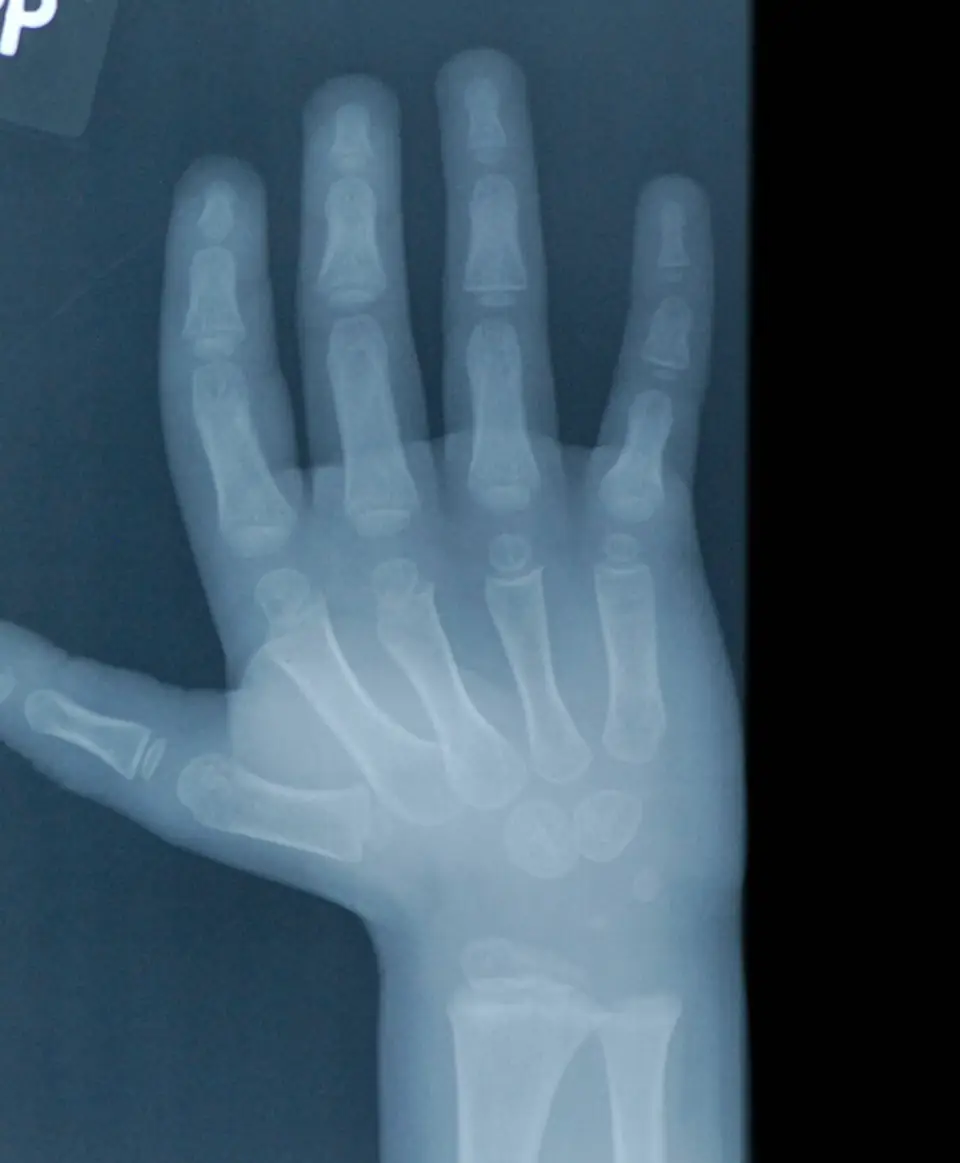
Global prevalence and associated risk factors of scoliosis in children and adolescents: a systematic review and meta-analysis
OrtopediaResumo original em inglês
O que aconteceu
Synthesised data on the global prevalence of scoliosis in children and adolescents and its associated risk factors remain scarce. This systematic review aimed to estimate the global prevalence of scoliosis in children and adolescents and identify associated risk factors in children and adolescents.
We conducted a systematic review and meta-analysis, searching nine electronic databases for observational population-based studies on scoliosis in children and adolescents published until June 02, 2024, without language or geographical restrictions. We estimated the global prevalence using the DerSimonian-Laird random-effects model with Free-Tukey double arcsine transformation and stratified prevalence through prespecified subgroup analyses. Fixed-effects models were used for consistent risk factors across studies, while random-effects models were applied for factors with high heterogeneity.
CRD42024584704.
O que encontraram
We initially identified 12,339 records, of which 239 studies comprising 46,565,512 participants were included. The estimated global prevalence of scoliosis in children and adolescents was 1.65% (95% CI 1.38-1.94), varying from 0.05% in Ecuador to 16.67% in Romania. We found higher prevalence in European (2.88%) and Americas (2.54%) than other regions (Eastern Mediterranean 1.22%, South-East Asia 1.35%, Western Pacific 1.35%, and African 1.46%). The higher prevalence was in high-latitude regions (2.96% vs mid-latitude 1.62% vs low-latitude 1.73%). The prevalence in girls was nearly double that in boys (1.76% vs 0.87%), with a steady increase observed from ages 7 to 16 years, peaking at 12-14 years for girls and 15-16 years for boys. The prevalence in adolescents (10-18 years) was nearly four times higher than that in children (6-9 years) (1.13% vs 0.26%). Idiopathic scoliosis in children and adolescents constituted the majority of cases, predominantly presenting as mild scoliosis (Cobb angle 10°-19°, 86.65%) with the single thoracolumbar curve being the most common subtype (36.67%). Additionally, the prevalence may increase since 2020 year (3.02%). Scoliosis in children and adolescents was significantly associated with sex (girls, odds ratio 2.16, 95% CI 2.01-2.33), family history (1.92, 95% CI 1.47-2.50), sedentary behavior (≥ 11 h, 1.64, 95% CI 1.20-2.25), poor sitting posture (3.48, 95% CI 2.85-4.24), short outdoor time (< 1 h, 1.32, 95% CI 1.10-1.59), long screen time (≥ 2 h, 2.74, 95% CI 2.29-3.28), unilateral physical activity (1.36, 95% CI 1.20-1.55), and low BMI (1.15, 95% CI 1.08-1.22).
Por que isso importa
Scoliosis in children and adolescents remains highly prevalent globally. Our findings can help to guide epidemiological characteristics and development of tailored preventive and therapeutic strategies, ultimately enhancing primary prevention and controlling disease progression.
Resumo publicado sob licença CC BY. A tradução para o português ainda não chegou a este estudo.
O estudo original
Global prevalence and associated risk factors of scoliosis in children and adolescents: a systematic review and meta-analysis
Shoujian Wang, Miaoxiu Li, Jun Ren, Jiming Tao, Min Fang, Lingjun Kong
Descritores MeSH
- Global Health
- Scoliosis
- Female
- Humans
- Male
- Risk Factors
- Adolescent
- Prevalence
- Child
Veja também
Estudos relacionados
- Prevalência global e fatores associados à síndrome metabólica em pacientes com lúpus eritematoso sistêmico: Revisão sistemática e meta-análise
- Prevalência global, regional e nacional de doença arterial periférica em 2023: revisão sistemática atualizada e estudo de modelagem
- Prevalência global e regional, etiologia e distribuição socioeconômica da onicomicose: revisão sistemática e meta-análise (2013-2023)
- Global prevalence and risk factors of human trichinellosis: A systematic review and meta-analysis
- Intervenções relacionadas ao exercício para a função cardiopulmonar na escoliose idiopática adolescente: revisão sistemática e metanálise em rede
- Revisão narrativa abrangente da escoliose em crianças e adolescentes: epidemiologia, estratégias de triagem, intervenções terapêuticas e pesquisa biomecânica