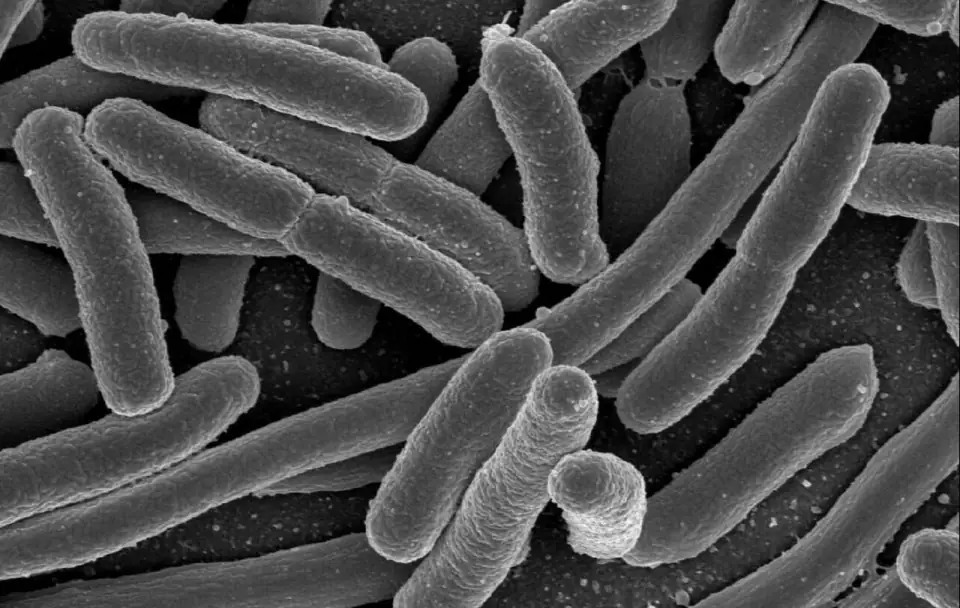
Antimicrobial resistance prevalence of Escherichia coli and Staphylococcus aureus amongst bacteremic patients in Africa: a systematic review
InfectologiaPor ScienceMed · · a partir do resumo dos autores
Resumo original em inglês
O que aconteceu
Antimicrobial resistance (AMR) is a global concern among infectious diseases. Bloodstream infections can potentially become life-threatening if they become untreatable with conventional antimicrobials. This review aims to provide an understanding of the AMR prevalence and trends of common bacteremic pathogens, namely Escherichia coli and Staphylococcus aureus in the World Health Organization (WHO) Africa region.
PubMed and Google Scholar were searched using relevant keywords for published human studies (excluding case reports and reviews) reporting bacteremic AMR data on the pathogens of interest between 2008 and 2019. Two reviewers independently screened the articles against a pre-defined eligibility criterion. Data extraction and analysis were achieved with different platforms: Covidence, Excel, R version 3.6.3, and QGIS v3.4.5. The pooled prevalence, 95% confidence intervals, and I2 index (a measure of heterogeneity) were calculated for the various pathogen-antibiotic combinations.
O que encontraram
Five hundred sixty-two papers were retrieved, with 27 papers included in the final analysis. Only 23.4% (11/47) of member states of the WHO African region had reports on AMR in bacteremia. The Clinical and Laboratory Standards Institute (CLSI) (78.5%) was the most common standard used in the region. For E. coli, the pooled resistance was: cefotaxime (42%), imipenem (4%), meropenem (0%), and colistin (0%). For S. aureus, the calculated pooled resistance was cloxacillin (34%), oxacillin (12%), and vancomycin (0%). There was a high degree of variation across studies (I2 > 90%).
Por que isso importa
The pooled resistance rates indicate a concerning degree of methicillin-resistant and Extended Spectrum-ß-lactamase-producing pathogens. The paucity of AMR data also presents challenges for a comprehensive understanding of the situation in the region. Continent-wide and standardized surveillance efforts therefore need strengthening.
Resumo publicado sob licença CC BY. A tradução para o português ainda não chegou a este estudo.
O estudo original
Antimicrobial resistance prevalence of Escherichia coli and Staphylococcus aureus amongst bacteremic patients in Africa: a systematic review
Erastus Hanganeni Haindongo, Diana Ndakolo, Marius Hedimbi, Olli Vainio, Antti Hakanen, Jaana Vuopio
Descritores MeSH
- Bacteremia
- Staphylococcal Infections
- Escherichia coli
- Humans
- Staphylococcus aureus
- Prevalence
- Africa
- Drug Resistance, Bacterial
- Anti-Bacterial Agents
Veja também
Estudos relacionados
- An insight into the antibiotic resistance profiles of ESKAPE pathogens isolated from humans in Africa: a systematic review and meta-analysis
- Bacterial Profile and Antimicrobial Resistance Patterns of Infected Diabetic Foot Ulcers in Iran: A Systematic Review and Meta-Analysis of Cross-Sectional Studies
- Escherichia coli AMR Paisagem do Irão (2010-2025): Uma revisão sistemática da saúde e meta-análise
- Prevalência global de resistência antimicrobiana em Staphylococcus spp. isolada de otite externa canina: revisão sistemática e meta-análise (1995-2024)