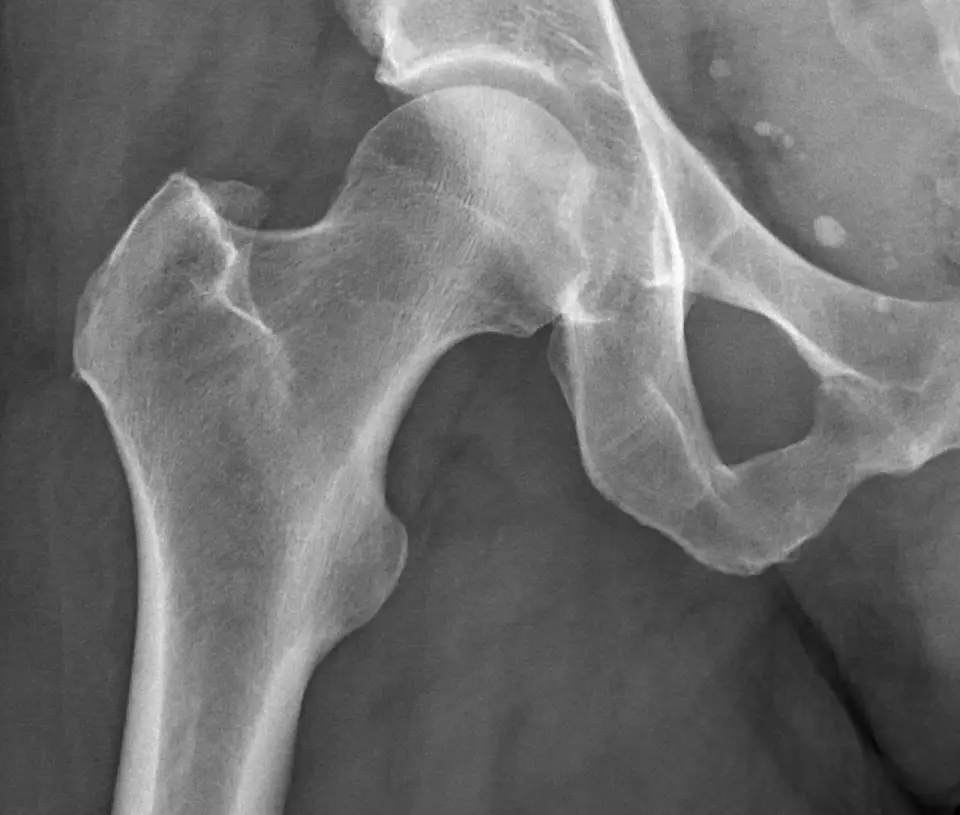
Update on the efficacy and safety of intravenous tranexamic acid in hip fracture surgery: a systematic review and meta-analysis
CardiologiaPor ScienceMed · · a partir do resumo dos autores
Resumo original em inglês
O que aconteceu
The aim of this meta-analysis was to assess the safety and efficacy of tranexamic acid (TXA) in the management of hip fracture surgeries in comparison with placebo.
A systematic search was conducted from August 6, 2021. Eligible studies included randomized clinical trials and prospective studies comparing the use of intravenous TXA in patients treated for hip fractures, in comparison with placebo. Review Manager was used for the meta-analysis.
O que encontraram
Eighteen prospective studies including 14 RCTs met the eligibility criteria. The results favored the TXA group in the quantity of total blood loss (MD = - 196.91 mL, 95% CI - 247.59, - 146.23, I2 = 92%), intraoperative blood loss (MD = - 26.86 mL, 95% CI - 36.96, - 16.78, I2 = 62%), and rate of blood transfusion (OR 0.35, 95% CI 0.28, 0.42, I2 = 0%). TXA also exhibited higher hemoglobin level at day 1 (MD = 6.77 g/L, 95% CI 4.30, 9.24, I2 = 83%) and day 3 (MD = 7.02 g/L, 95% CI 3.30, 10.74, I2 = 82%) postoperatively. There was no significant difference found in the incidence of thromboembolic events from occurring between the two groups, such as deep vein thrombosis (OR 1.22, 95% CI 0.73, 2.02, I2 = 0%) and pulmonary embolism (OR 0.82, 95% CI 0.33, 2.05, I2 = 0%).
Por que isso importa
Administration of intravenous TXA appears to reduce blood loss, rate of blood transfusions and pose no increased risk of thromboembolic events. Therefore, TXA should be considered by physicians when managing hip fracture patients.
Resumo publicado sob licença CC BY. A tradução para o português ainda não chegou a este estudo.
O estudo original
Update on the efficacy and safety of intravenous tranexamic acid in hip fracture surgery: a systematic review and meta-analysis
Shahid Miangul, Timothy Oluwaremi, Joe El Haddad, Maamoun Adra, Nathan Pinnawala, Hayato Nakanishi, Reem H Matar, Christian A Than, Thomas M Stewart
Descritores MeSH
- Antifibrinolytic Agents
- Hip Fractures
- Thromboembolism
- Tranexamic Acid
- Blood Loss, Surgical
- Administration, Intravenous
- Humans
- Prospective Studies
Veja também
Estudos relacionados
- Intravenous application of tranexamic acid in intramedullary nailing for the treatment of geriatric intertrochanteric fractures: a systematic review and meta-analysis
- Efficacy and safety of Tranexamic acid use on postoperative blood transfusion in hip fracture patients- a systematic review and meta-analysis
- Intravenous tranexamic acid and thromboembolic events in hip fracture surgery: A systematic review and meta-analysis
- Peri-articular administration of tranexamic acid is an alternative route in total knee arthroplasty: a systematic review and meta-analysis