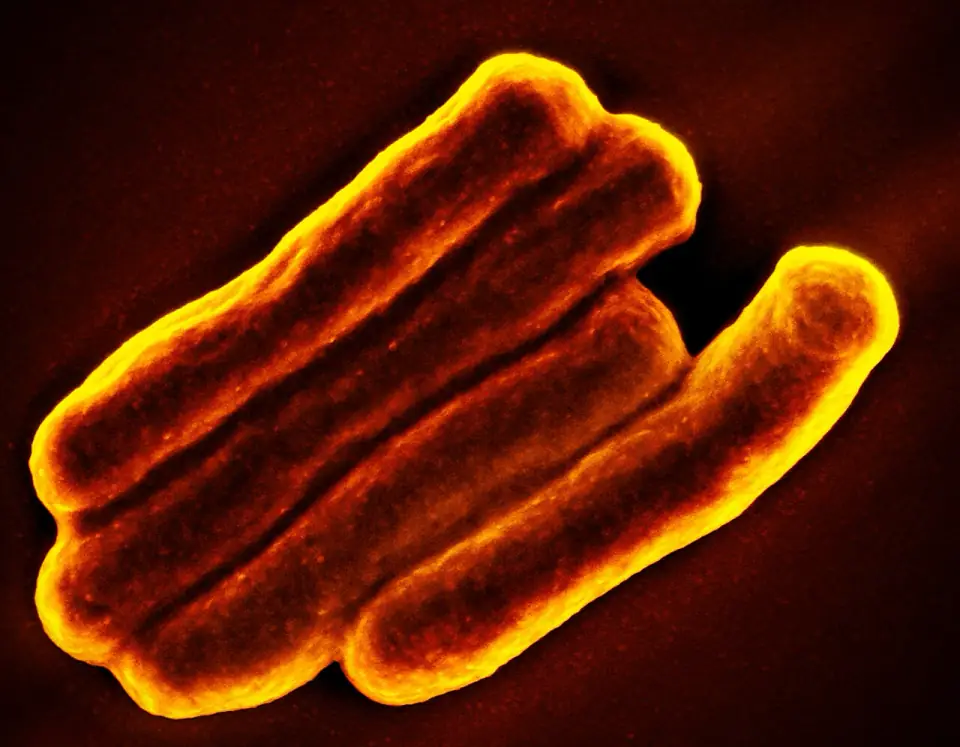
Understanding Mycobacterium tuberculosis complex in elephants through a One Health approach: a systematic review
InfectologiaPor ScienceMed · · a partir do resumo dos autores
Resumo original em inglês
O que aconteceu
Mycobacterium tuberculosis complex (MTC) that causes the chronic infectious disease- tuberculosis (TB), often presents with a complicated epidemiological pattern where the transmission chain may include humans, domestic animals and wildlife, including elephants. TB has been reported globally in both captive and wild elephants. The One Health approach might be the most effective way of understanding the shared MTC infection dynamics in captive and wild animals like Asian elephants. This systematic review accumulates evidence on occurrence, transmission pathways, and preventive measures of TB in elephants from a One Health perspective.
O que encontraram
The prevalence of TB reported in elephant populations ranges from 0 to 23.33% and high prevalence's are reported for elephants that are in close proximity to infected humans. The risk of elephant to human infection transmission increased significantly with exposure duration and contact with infected elephants. Some studies described the plausible TB transmission to captive elephants from other animals (wild and domestic), suggesting inter- and intra-species transmission. The results of this systematic review based on 27 relevant published works, suggest three overarching interrelated transmission pathways for M. tuberculosis infections in Asian elephants- i) humans and elephants, ii) other animals (wild or domestic) and elephants and iii) unclear sources of infection.
Por que isso importa
The progress made with new TB diagnostic tools provides multiple methods to choose from. However, lack of harmonization of TB testing in elephants and their human contacts remains a challenge to prevent TB in those animals. Routine TB screening among elephants and caretakers by setting up an occupational health program for early diagnosis of infection through combined efforts of public health, veterinary medicine, and occupational health experts is suggested. This implies the need for a One Health approach to elephant TB control. This review reveals the need for more research on Mycobacterium tuberculosis complex transmission pathways at the human-animal interface.
Resumo publicado sob licença CC BY. A tradução para o português ainda não chegou a este estudo.
O estudo original
Understanding Mycobacterium tuberculosis complex in elephants through a One Health approach: a systematic review
Rajesh Man Rajbhandari, José de la Fuente, Dibesh Karmacharya, Sujala Mathema, Bijay Maharjan, Sameer Mani Dixit, Nisha Shrestha, João Queirós, Christian Gortázar, Paulo Célio Alves
Descritores MeSH
- One Health
- Elephants
- Mycobacterium tuberculosis
- Tuberculosis
- Animals
- Animals, Wild