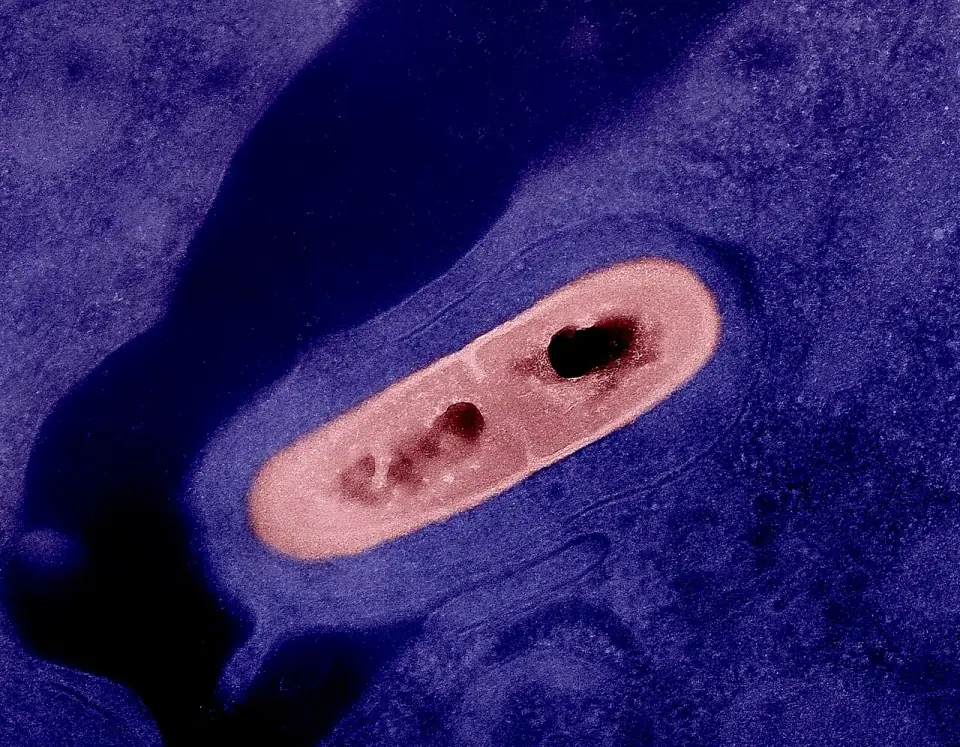
Predicting Antibiotic Resistance in Listeria monocytogenes from Food and Food-Processing Environments Using Next-Generation Sequencing: A Systematic Review
MedicinaResumo original em inglês
O que aconteceu
Listeria monocytogenes is a ubiquitous foodborne pathogen whose occurrence in food and food-processing environments raises public-health concerns, particularly when isolates carry antimicrobial-resistance determinants. Next-generation sequencing (NGS) is increasingly used to detect resistance genes and to predict phenotypic resistance. Following the Preferred Reporting Items for Systematic Reviews and Meta-Analyses (PRISMA 2020) guidelines, PubMed, Web of Science, and Scopus were searched for original articles (2015-2024) that used second- and/or third-generation sequencing to characterize antibiotic resistance in L. monocytogenes from food and food-processing environments. After deduplication and screening, 58 studies were included from an initial 418 records. NGS reliably detected a set of recurrent resistance determinants across diverse sample types and geographies. The fosX locus (intrinsic fosfomycin-related marker) was effectively ubiquitous across studies, while acquired determinants were variably distributed: lin (35/58 studies, 60.34%), norB (33/58, 56.90%), and tetracycline genes overall in 20/58 (34.48%) with tetM as the most common (11/58, 18.97%). Reported concordance between the genotypes and phenotypes for acquired resistance was very high (>99% for most agents), with notable exceptions (e.g., ciprofloxacin and some fosfomycin cases). Common analysis pipelines and databases included ResFinder, CARD, BIGSdb-Lm, ABRicate, and ARIBA; most sequencing used Illumina short reads, with an increasing use of long-read or hybrid approaches. NGS is a powerful surveillance tool for detecting resistance determinants and for source-tracking, but its predictive value depends on integration with phenotypic testing, standardized reporting, and comprehensive, curated databases. Key gaps include inconsistent phenotype reporting, variable database coverage, and limited assessment of gene expression/regulatory effects.
Resumo publicado sob licença CC BY. A tradução para o português ainda não chegou a este estudo.
O estudo original
Predicting Antibiotic Resistance in Listeria monocytogenes from Food and Food-Processing Environments Using Next-Generation Sequencing: A Systematic Review
Patryk Wiśniewski, Patryk Adamski, Miłosz Trymers, Wioleta Chajęcka-Wierzchowska, Anna Zadernowska
Descritores MeSH
- Listeria monocytogenes
- Drug Resistance, Bacterial
- High-Throughput Nucleotide Sequencing
- Food Microbiology
- Humans
- Food Handling
- Anti-Bacterial Agents
Veja também
Estudos relacionados
- "One Health" perspective on the prevalence of Listeria monocytogenes and its antibiotic resistance profiles in South Africa: a comprehensive systematic review and meta-analysis
- Prevalência global de enterobacterales de origem alimentar resistentes à tigeciclina ao longo da cadeia alimentar: Uma meta-análise
- Meta-analysis of global prevalence, antibiotic susceptibility, and virulence genes of Vibrio spp. in aquatic products
- Salmonella in African Animals and Animal-Derived Foods: A Continent-Wide Systematic Review and Meta-Analysis of Prevalence, Serovar Distribution and Antimicrobial Resistance