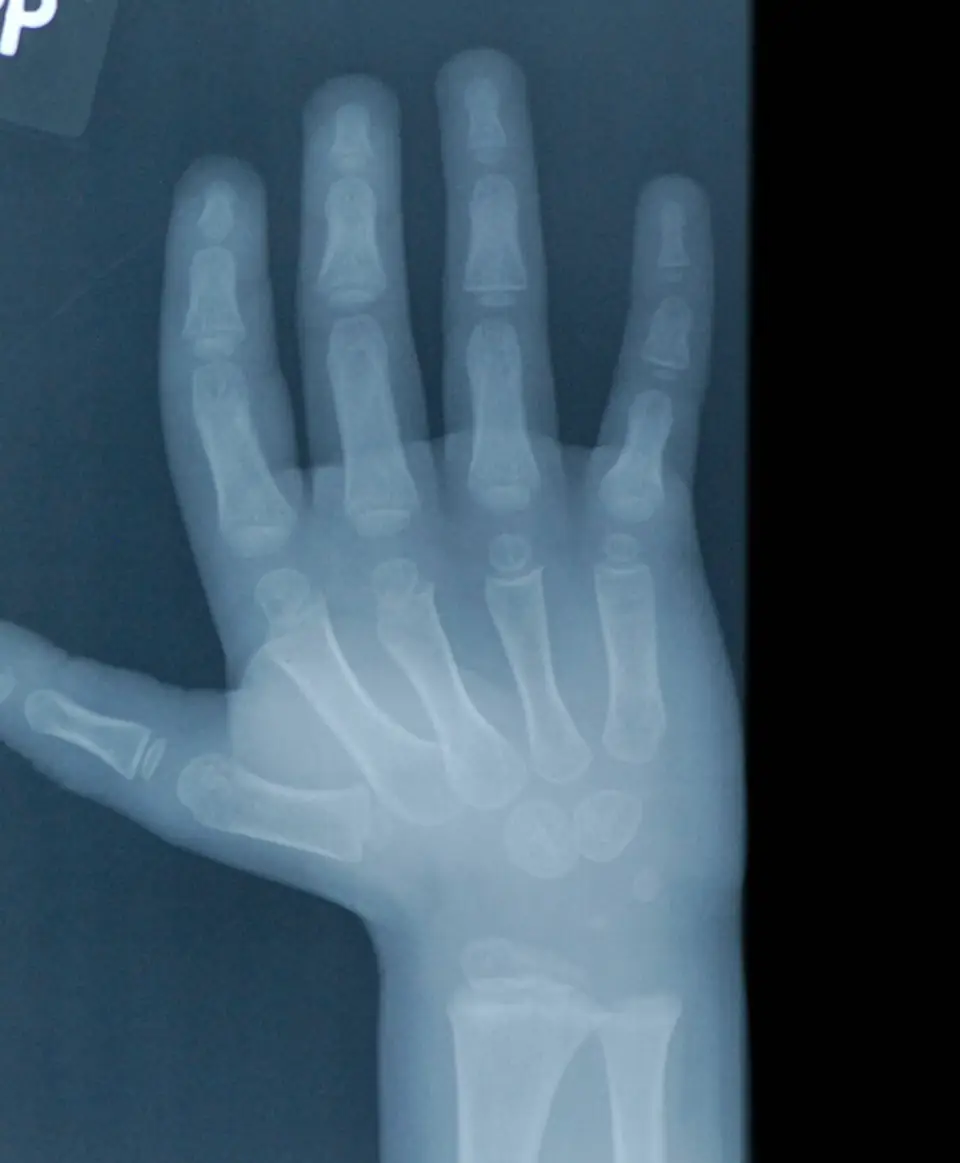
Peripheral and central vestibular neuromodulation improve postural control in adolescent idiopathic scoliosis: a randomized, sham-controlled, multi-arm intervention study
OrtopediaResumo original em inglês
O que aconteceu
Adolescent idiopathic scoliosis (AIS) features structural spinal deformity and impaired postural control, which may be associated with altered vestibular function and multisensory integration. Neuromodulatory approaches such as noisy galvanic vestibular stimulation (nGVS) and high-definition transcranial direct current stimulation (HD-tDCS) have shown promise in enhancing balance in healthy and older populations. However, whether peripheral and cortical vestibular neuromodulation exert distinct or combined effects on postural control in AIS remains unknown. This study aimed to compare the immediate post-stimulation effects of peripheral (nGVS), central (HD-tDCS), and combined (nGVS + HD-tDCS) vestibular modulation on postural control in AIS and explore their neuromuscular and cortical correlates.
Forty adolescents with AIS were randomly assigned to sham, nGVS, HD-tDCS (anodal CP6), or nGVS+tDCS groups. Center of pressure (COP), surface electromyography (EMG) for bilateral gastrocnemius (GM), tibialis anterior (TA), and erector spinae (ES), and functional near-infrared spectroscopy (fNIRS) for bilateral inferior parietal lobule (IPL), superior parietal lobule (SPL), supplementary motor area (SMA), and primary motor cortex (M1) were simultaneously recorded during an eyes-closed foam-standing Romberg task to evaluate behavior, muscular and cortical responses before and after a single-session neuromodulation intervention.
O que encontraram
Active interventions (nGVS, HD-tDCS, and combined nGVS + HD-tDCS) significantly reduced COP path length and sway area versus sham, with the combined nGVS + HD-tDCS demonstrating the greatest reduction in path length. EMG analysis showed reduced gastrocnemius exertion following nGVS (right side) and combined stimulation (both sides). fNIRS revealed no hemodynamic changes after nGVS, while HD-tDCS increased activation in the right IPL, and enhanced functional connectivity (FC) between the right IPL and right SMA. Combined nGVS + HD-tDCS further amplified right IPL and right SPL activity, and strengthened connectivity within bilateral SMA and between the right IPL and right SMA.
Por que isso importa
nGVS, HD-tDCS, and their combination improve postural control in AIS through distinct neuromodulation mechanisms. Combined stimulation was associated with the largest improvement in COP path length and broader cortical network modulation. Trial registration Registered at Chinese Clinical Trial Registry (ChiCTR2500110347) on July 25, 2025.
Resumo publicado sob licença CC BY. A tradução para o português ainda não chegou a este estudo.
O estudo original
Peripheral and central vestibular neuromodulation improve postural control in adolescent idiopathic scoliosis: a randomized, sham-controlled, multi-arm intervention study
Huaqing Chen, Liping Zhao, Yuelong Li, Qiuhua Yu, Lingling Shen, Raymond Kai-Yu Tong, Shijue Li, Chunlin Chen, Hongmin Wu, Disheng Xie et al.
Descritores MeSH
- Postural Balance
- Scoliosis
- Vestibule, Labyrinth
- Transcranial Direct Current Stimulation
- Male
- Humans
- Electromyography
- Female
- Adolescent