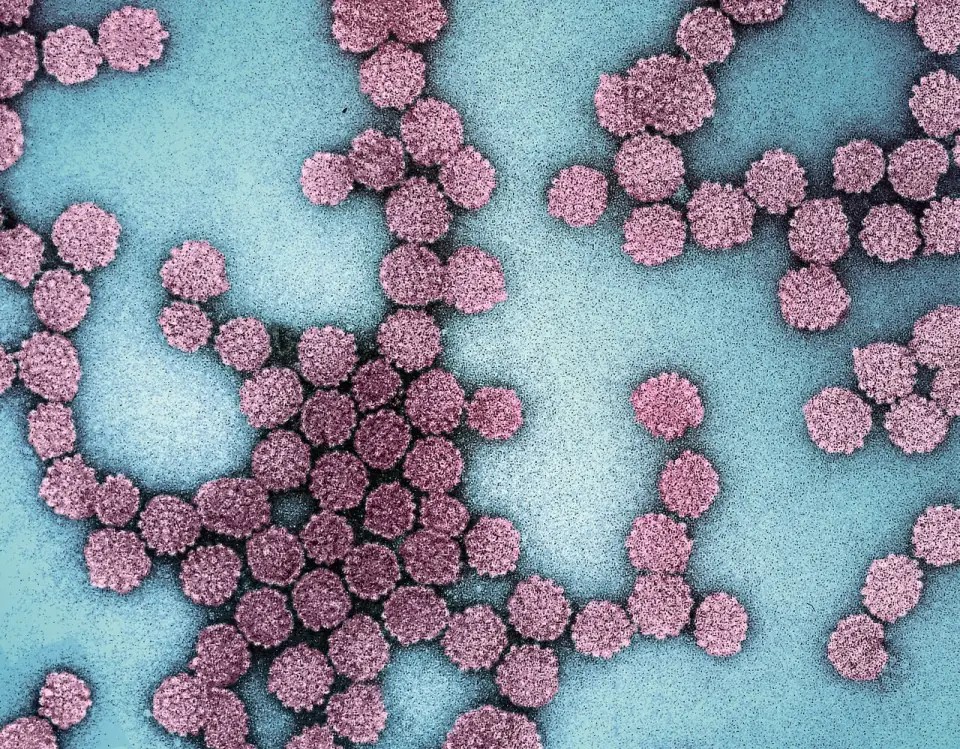
Human papillomavirus, vaginal microbiota and metagenomics: the interplay between development and progression of cervical cancer
InfectologiaPor ScienceMed · · a partir do resumo dos autores
Resumo original em inglês
O que aconteceu
Persistent infection with oncogenic human papillomavirus (HPV) types, such as HPV 16 or 18, is a major factor in cervical cancer development. However, only a small percentage of infected women develop cancer, indicating that other factors are involved. Emerging evidence links vaginal microbiota with HPV persistence and cancer progression. Alterations in microbial composition, function, and metabolic pathways may contribute to this process. Despite the potential of metagenomics to explore these interactions, studies on the vaginal microbiota's role in cervical cancer are limited. This review systematically examines the relationship between cervical microbiota, HPV, and cervical cancer by analyzing studies from PubMed, EBSCO, and Scopus. We highlight how microbial diversity influences HPV persistence and cancer progression, noting that healthy women typically have lower microbiota diversity and higher Lactobacillus abundance compared to HPV-infected women, who exhibit increased Gardenella, Prevotella, Sneathia, Megasphaera, Streptococcus, and Fusobacterium spp., associated with dysbiosis. We discuss how microbial diversity is associated with HPV persistence and cancer progression, noting that studies suggest healthy women typically have lower microbiota diversity and higher Lactobacillus abundance, while HPV-infected women exhibit increased Gardnerella, Prevotella, Sneathia, Megasphaera, Streptococcus, and Fusobacterium spp., indicative of dysbiosis. Potential markers such as Gardnerella and Prevotella have been identified as potential microbiome biomarkers associated with HPV infection and cervical cancer progression. The review also discusses microbiome-related gene expression changes in cervical cancer patients. However, further research is needed to validate these findings and explore additional microbiome alterations in cancer progression.
Resumo publicado sob licença CC BY. A tradução para o português ainda não chegou a este estudo.
O estudo original
Human papillomavirus, vaginal microbiota and metagenomics: the interplay between development and progression of cervical cancer
Paul Leon-Gomez, Vanessa I Romero