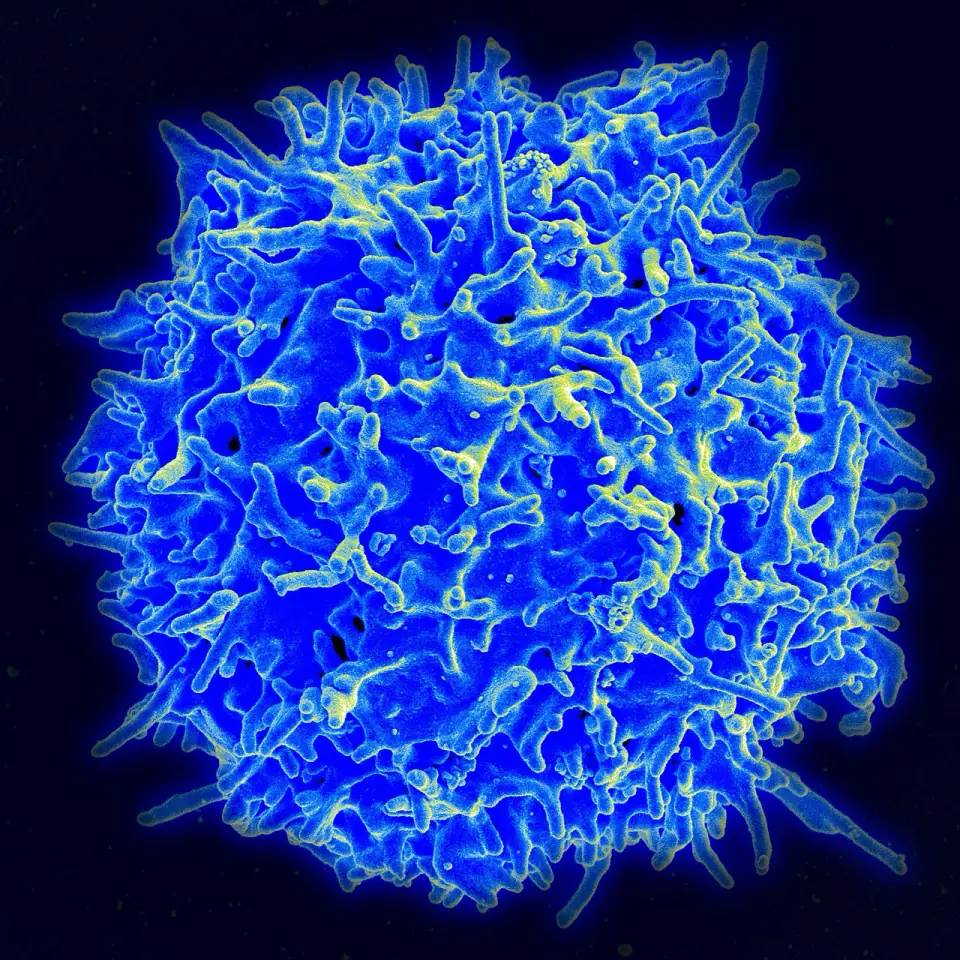
High peripheral T cell diversity is associated with lower risk of toxicity and superior response to dual immune checkpoint inhibitor therapy in patients with metastatic NSCLC
OncologiaPor ScienceMed · · a partir dos dados do estudo
Sobre o estudo
- Desenho
- Ensaio clínico randomizado
- Nível de evidência
- 2 · Nova evidência
- Revista
- Journal for immunotherapy of cancer
- Publicado em
- 25 dez 2024
- Citações
- 16
O resumo deste estudo é do publisher e não tem licença aberta: por isso mostramos aqui só os dados do estudo, e o texto fica na fonte original, nos links abaixo.
O estudo original
High peripheral T cell diversity is associated with lower risk of toxicity and superior response to dual immune checkpoint inhibitor therapy in patients with metastatic NSCLC
Mehmet Altan, Ruoxing Li, Ziyi Li, Runzhe Chen, Ajay Sheshadri, Hai T Tran, Latasha Little, Joshua Baguley, Jefferson Sinson, Natalie I Vokes et al.
Descritores MeSH
- Carcinoma, Non-Small-Cell Lung
- Lung Neoplasms
- Immune Checkpoint Inhibitors
- Aged
- Antineoplastic Combined Chemotherapy Protocols
- Female
- Humans
- Male
- Middle Aged
- Neoplasm Metastasis
Veja também
Estudos relacionados
- Therapy for Stage IV Non-Small-Cell Lung Cancer Without Driver Alterations: ASCO Living Guideline
- DISCERN: A Randomized Pilot Study Comparing Dual Versus Single Immune Checkpoint Blockade Plus Chemotherapy in PD-L1 Negative Advanced Non-Small Cell Lung Cancer
- Is nivolumab alone or in combination with ipilimumab more effective for treating lung cancer? a meta-analysis
- Beyond T cell toxicity - Intrathecal chemokine CXCL13 indicating B cell involvement in immune-related adverse events following checkpoint inhibition: A two-case series and literature review