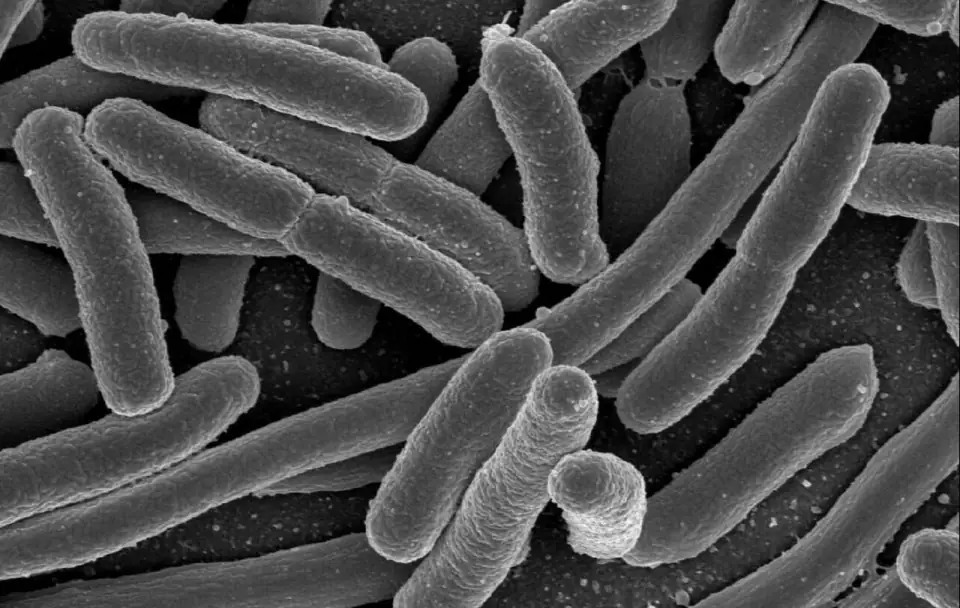
Global prevalence of fluoroquinolone resistance in Escherichia coli causing urinary tract infections: a systematic review and meta-analysis
InfectologiaResumo original em inglês
O que aconteceu
Fluoroquinolone resistance in Escherichia coli isolated from urinary tract infections (UTIs) is an increasing global concern, with marked variation across regions and specific agents. Estimating resistance prevalence is essential to guide empirical therapy and strengthen antimicrobial stewardship programs.
A systematic review and meta-analysis was conducted in accordance with PRISMA guidelines, including English-language observational studies published through December 2025. PubMed, Embase, and Web of Science were searched for reports on fluoroquinolone-resistant E. coli in UTIs. Study quality was evaluated using the modified Newcastle-Ottawa Scale. Pooled prevalence estimates were calculated using a random-effects model, and heterogeneity was assessed with the I² statistic. Subgroup analyses were performed by fluoroquinolone agent. Robustness was examined through sensitivity analyses, while meta-regression explored associations between sample size and resistance prevalence. Publication bias and influential studies were evaluated using DOI and Baujat plots.
O que encontraram
Among 9,033 identified records, 36 studies met the inclusion criteria. The overall pooled prevalence of fluoroquinolone resistance in E. coli was 31.09% (95% CI, 24.89%-38.05%). Resistance estimates were 30.32% (95% CI, 22.60%-39.34%) for ciprofloxacin, 27.57% (95% CI, 9.01%-59.40%) for levofloxacin, and 68.75% (95% CI, 55.94%-79.76%) for pefloxacin. Sensitivity analyses demonstrated stable pooled estimates ranging from 30% to 32%. Meta-regression suggested an inverse association between study sample size and reported resistance rates. One study contributed modestly to heterogeneity.
Por que isso importa
This analysis demonstrates substantial and geographically heterogeneous fluoroquinolone resistance in E. coli causing UTIs, with particularly high rates reported in China, Iran, and Bangladesh. While ciprofloxacin resistance was considerable, pefloxacin exhibited the highest prevalence. These findings reinforce the importance of enhanced stewardship initiatives, improved resistance surveillance, harmonized reporting standards, and further investigation into resistance mechanisms and data gaps in underrepresented regions.
Resumo publicado sob licença CC BY. A tradução para o português ainda não chegou a este estudo.
O estudo original
Global prevalence of fluoroquinolone resistance in Escherichia coli causing urinary tract infections: a systematic review and meta-analysis
Hua Zhou, Tianrui Xue, Jingxin Xue
Descritores MeSH
- Drug Resistance, Bacterial
- Escherichia coli
- Escherichia coli Infections
- Urinary Tract Infections
- Fluoroquinolones
- Anti-Bacterial Agents
- Global Health
- Humans
- Microbial Sensitivity Tests
- Prevalence