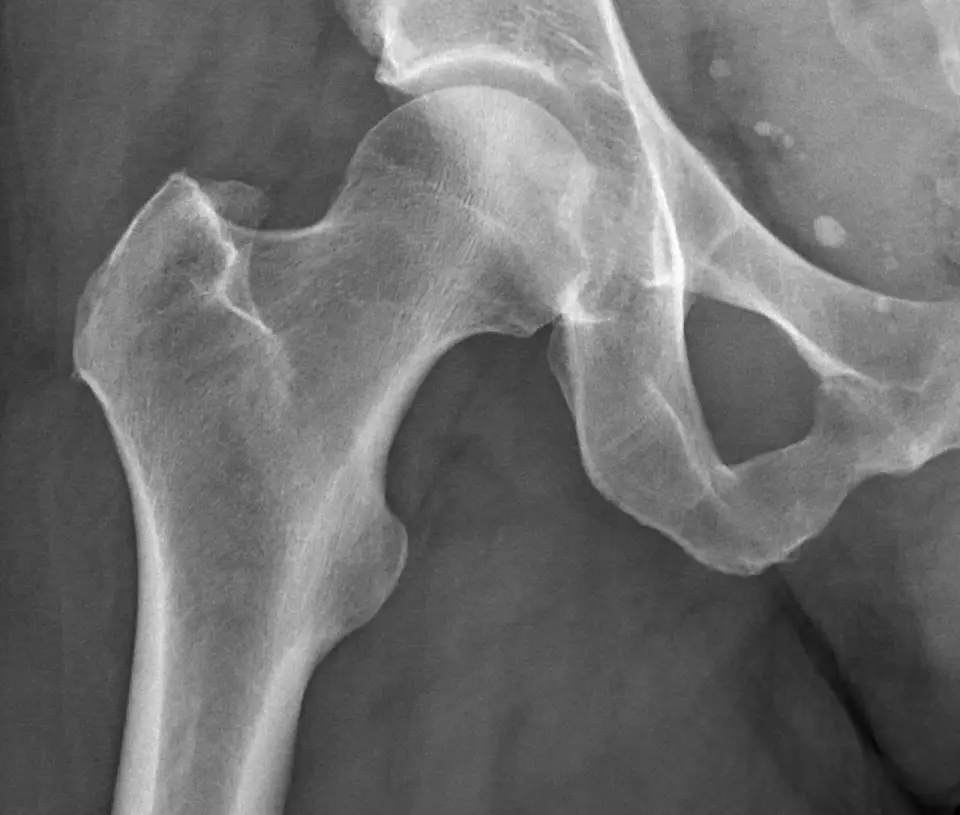
Efficacy of home-based exercise in the treatment of pain and disability at the hip and knee in patients with osteoarthritis: a systematic review and meta-analysis
OrtopediaPor ScienceMed · · a partir do resumo dos autores
Resumo original em inglês
O que aconteceu
An increasing body of evidence suggests that home-based exercise (HBE) therapy has significant therapeutic effects on knee osteoarthritis (KOA) and hip osteoarthritis (HipOA), and it has advantages such as cost savings, strong operability, and good compliance compared with hospitalization and exercise courses.
To evaluate the efficacy of HBE in the treatment of KOA and HipOA.
A systematic search was conducted in PubMed, Cochrane, Web of Science, and Embase to collect randomized controlled trials. The retrieval time was from database establishment until March 6, 2024. Stata 15.1 software was used for data analysis.
We've registered with PROSPERO, and the number is CRD42023443085.
O que encontraram
A total of 16 randomized controlled trials involving 3,015participants were included, with 1,519 participants in the intervention group and 1,496 in the control group. The meta-analysis showed that, compared to the control group, HBE can significantly improve pain [SMD=-0.38, 95% CI (-0.58, -0.18); P = 0.001], joint function [SMD=-0.60, 95% CI (-1.01, -0.19); P = 0.004], balance ability [SMD=-0.67, 95% CI (-1.00, -0.34); P = 0.001], mobility (ADL) [SMD = 0.51, 95% CI (0.19, 0.82); P = 0.002] in patients with KOA and HipOA. There is no statistical difference in the improvement of joint stiffness [WMD = -0.80, 95% CI (-1.61, 0.01); P = 0.052]. In addition, subgroup analysis showed that HBE significantly improved pain, joint function, and balance ability in KOA patients compared with the control group. HipOA patients showed significant improvement in pain and joint function; However, HBE only improved activity ability in patients with comorbidities of KOA and HipOA.
Por que isso importa
HBE can effectively alleviate pain, improve joint function, and enhance physical function in patients with KOA and HipOA. However, more high-quality randomized controlled trials (RCTs) with large sample sizes and long-term interventions are needed to validate the efficacy of HBE due to limitations in the methodology and consistency of indicator outcomes in the included RCTs.
Resumo publicado sob licença CC BY. A tradução para o português ainda não chegou a este estudo.
O estudo original
Efficacy of home-based exercise in the treatment of pain and disability at the hip and knee in patients with osteoarthritis: a systematic review and meta-analysis
Yichen Mao, Boyuan Qiu, Weiwei Wang, Pengwei Zhou, Zhixue Ou
Descritores MeSH
- Exercise Therapy
- Osteoarthritis, Hip
- Osteoarthritis, Knee
- Knee Joint
- Disability Evaluation
- Randomized Controlled Trials as Topic
- Treatment Outcome
- Pain Measurement
- Home Care Services
- Humans
Veja também
Estudos relacionados
- Does the Combination of Platelet-rich Plasma and Supervised Exercise Yield Better Pain Relief and Enhanced Function in Knee Osteoarthritis? A Randomized Controlled Trial
- Efficacy and safety of lorecivivint for the treatment of knee osteoarthritis: A systematic review and meta-analysis of randomized controlled trials
- Effect of neuromuscular electrical stimulation associated with therapeutic exercise on pain, function, and strength of people with knee osteoarthritis: a systematic review with meta-analysis of randomized clinical trials with GRADE recommendations
- Effects of neuromuscular training on pain intensity, functionality, and quality of life in people with knee osteoarthritis: Systematic review with moderator analysis