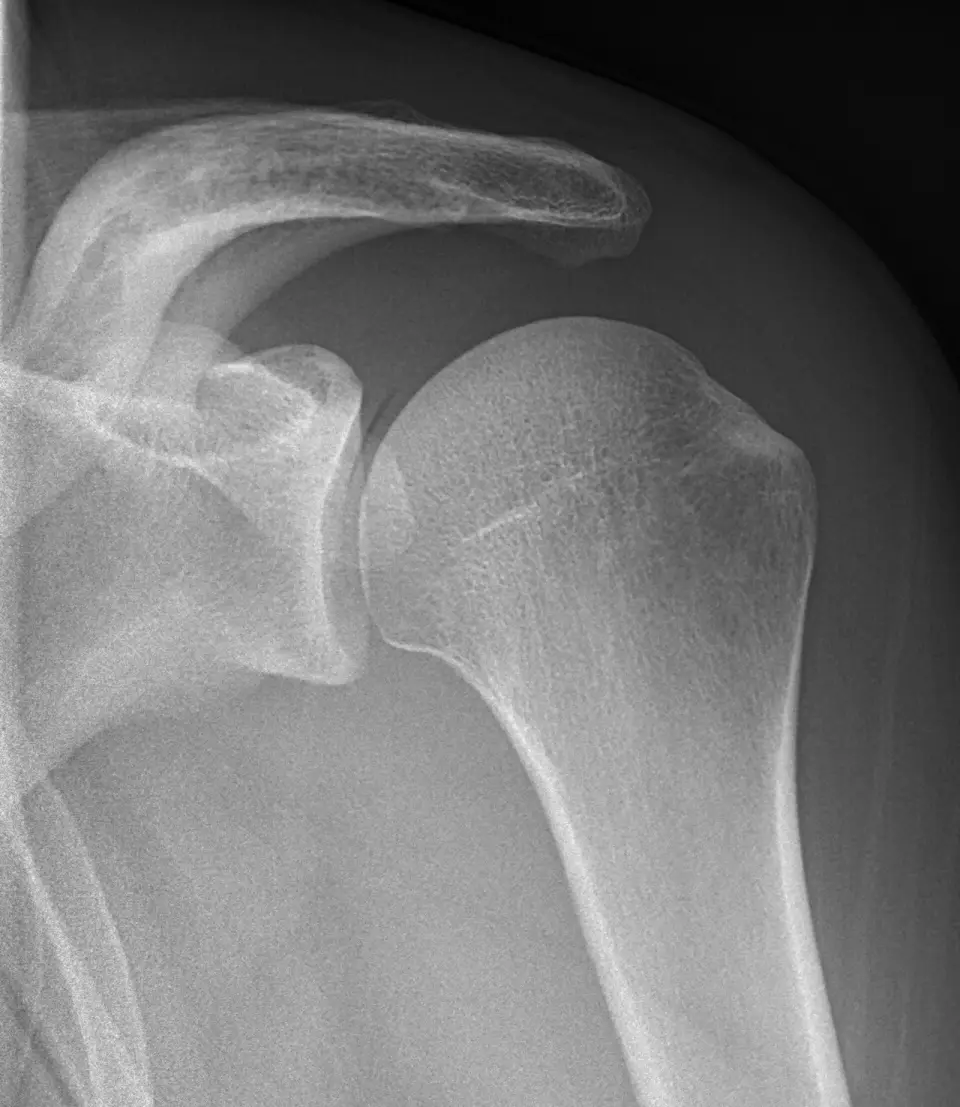
Effects of kinesiotaping on disability and pain in patients with rotator cuff tendinopathy: double-blind randomized clinical trial
OrtopediaPor ScienceMed · · a partir do resumo dos autores
Resumo original em inglês
O que aconteceu
Kinesiotaping (KT) is widely used in several musculoskeletal disorders particularly in shoulder pain. However, literature shows controversial results regarding the effect of KT on shoulder pathology. The aim of this study was to assess the clinical effects of KT in the short term on rotator cuff tendinopathy (RCT).
A randomized controlled double-blind clinical trial was conducted. The sample consisted of 50 subjects (25 per group). Patients were randomly assigned to the KT group (to receive therapeutic KT application) or to the placebo group (to receive sham KT application). Taping was applied every 4 days, a total of three times during the study period. We assessed the patients at baseline, at the end of taping period (D12), and at one-month post-taping (D30). Primary outcome was assessed through the Arabic version of the Disabilities of the Arm, Shoulder and Hand questionnaire (DASH). Secondary outcomes were assessed through Visual Analogue Scale (VAS) for pain intensity at rest (VASr), during active movement (VASm), and at night (VASn).
The study was retrospectively registered on Pan African Clinical Trial Registry (identification number: PACTR202007672254335) on 21/07/2020. https://pactr.samrc.ac.za/TrialDisplay.aspx?TrialID=12200.
O que encontraram
There were no significant differences between the two groups in the demographic and clinical characteristics and the pre-test scores. Results of repeated measures ANOVA showed significant improvement in DASH scores and in VAS for pain (at rest, during active movement and at night) from D12 in both groups. The use of ANCOVA, controlling for pre-test scores, showed no significant differences between groups, except for VASm at D30.
Por que isso importa
This study showed that the standardized therapeutic KT used for shoulder pain was not superior to a sham KT application in improving pain and disabilities in patients with RCT.
Resumo publicado sob licença CC BY. A tradução para o português ainda não chegou a este estudo.
O estudo original
Effects of kinesiotaping on disability and pain in patients with rotator cuff tendinopathy: double-blind randomized clinical trial
Fatima Zahrae Taik, Samia Karkouri, Latifa Tahiri, Ilham Aachari, Jihad Moulay Berkchi, Ihsane Hmamouchi, Redouane Abouqal, Hanan Rkain, Fadoua Allali
Descritores MeSH
- Rotator Cuff Injuries
- Tendinopathy
- Athletic Tape
- Shoulder Pain
- Rotator Cuff
- Humans
- Treatment Outcome
Veja também
Estudos relacionados
- Rotator Cuff Tendinopathy Diagnosis, Nonsurgical Medical Care, and Rehabilitation: A Clinical Practice Guideline
- Efficacy of hypertonic dextrose proliferation therapy in the treatment of rotator cuff lesions: a meta-analysis
- Effect of extracorporeal shockwave therapy for rotator cuff tendinopathy: a systematic review and meta-analysis
- Extracorporeal Shockwave Therapy for the Treatment of Noncalcific Rotator Cuff Tendinopathy: A Systematic Review and Meta-analysis