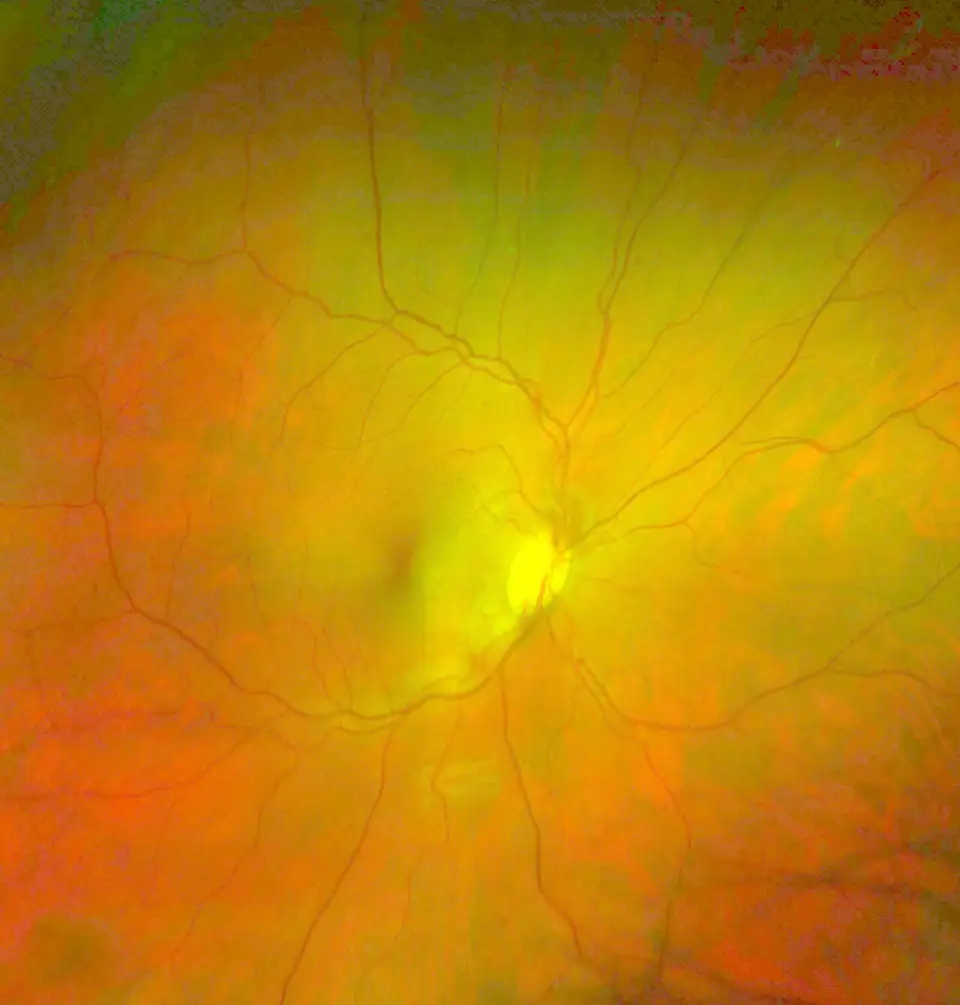
Cord blood transfusions in extremely low gestational age neonates to reduce severe retinopathy of prematurity: results of a prespecified interim analysis of the randomized BORN trial
OftalmologiaPor ScienceMed · · a partir do resumo dos autores
Resumo original em inglês
O que aconteceu
Preterm infants are at high risk for retinopathy of prematurity (ROP), with potential life-long visual impairment. Low fetal hemoglobin (HbF) levels predict ROP. It is unknown if preventing the HbF decrease also reduces ROP.
BORN is an ongoing multicenter double-blinded randomized controlled trial investigating whether transfusing HbF-enriched cord blood-red blood cells (CB-RBCs) instead of adult donor-RBC units (A-RBCs) reduces the incidence of severe ROP (NCT05100212). Neonates born between 24 and 27 + 6 weeks of gestation are enrolled and randomized 1:1 to receive adult donor-RBCs (A-RBCs, arm A) or allogeneic CB-RBCs (arm B) from birth to the postmenstrual age (PMA) of 31 + 6 weeks. Primary outcome is the rate of severe ROP at 40 weeks of PMA or discharge, with a sample size of 146 patients. A prespecified interim analysis was scheduled after the first 58 patients were enrolled, with the main purpose to evaluate the safety of CB-RBC transfusions.
Prospectively registered at ClinicalTrials.gov on October 29, 2021. Identifier number NCT05100212.
O que encontraram
Results in the intention-to-treat and per-protocol analysis are reported. Twenty-eight patients were in arm A and 30 in arm B. Overall, 104 A-RBC units and 49 CB-RBC units were transfused, with a high rate of protocol deviations. A total of 336 adverse events were recorded, with similar incidence and severity in the two arms. By per-protocol analysis, patients receiving A-RBCs or both RBC types experienced more adverse events than non-transfused patients or those transfused exclusively with CB-RBCs, and suffered from more severe forms of bradycardia, pulmonary hypertension, and hemodynamically significant patent ductus arteriosus. Serum potassium, lactate, and pH were similar after CB-RBCs or A-RBCs. Fourteen patients died and 44 were evaluated for ROP. Ten of them developed severe ROP, with no differences between arms. At per-protocol analysis each A-RBC transfusion carried a relative risk for severe ROP of 1.66 (95% CI 1.06-2.20) in comparison with CB-RBCs. The area under the curve of HbF suggested that HbF decrement before 30 weeks PMA is critical for severe ROP development. Subsequent CB-RBC transfusions do not lessen the ROP risk.
Por que isso importa
The interim analysis shows that CB-RBC transfusion strategy in preterm neonates is safe and, if early adopted, might protect them from severe ROP.
Resumo publicado sob licença CC BY. A tradução para o português ainda não chegou a este estudo.
O estudo original
Cord blood transfusions in extremely low gestational age neonates to reduce severe retinopathy of prematurity: results of a prespecified interim analysis of the randomized BORN trial
Luciana Teofili, Patrizia Papacci, Carlo Dani, Francesco Cresi, Giulia Remaschi, Claudio Pellegrino, Maria Bianchi, Giulia Ansaldi, Maria Francesca Campagnoli, Barbara Vania et al.
Descritores MeSH
- Fetal Blood
- Retinopathy of Prematurity
- Gestational Age
- Humans
- Infant, Newborn
- Male
- Severity of Illness Index
- Treatment Outcome
- Erythrocyte Transfusion
- Double-Blind Method
Veja também
Estudos relacionados
- Erythropoietin, transfusions, and outcomes of retinopathy of prematurity and brain injury in extremely preterm infants: A post hoc analysis of the Preterm Erythropoietin Neuroprotection Trial (PENUT)
- Outcome after Selective early treatment for Closure of patent ductus ARteriosus in preterm babies, a multicentre, masked, randomised placebo-controlled parallel group trial (Baby-OSCAR trial)
- BORN study: a multicenter randomized trial investigating cord blood red blood cell transfusions to reduce the severity of retinopathy of prematurity in extremely low gestational age neonates
- A pilot randomised clinical trial of 670 nm red light for reducing retinopathy of prematurity
- Intervenções com base em células derivadas do cordão umbilical para Displasia Broncopulmonar e Complicações Relacionadas em Infantes Pré-termo: Meta-análise Bayesiana Sparse-Data