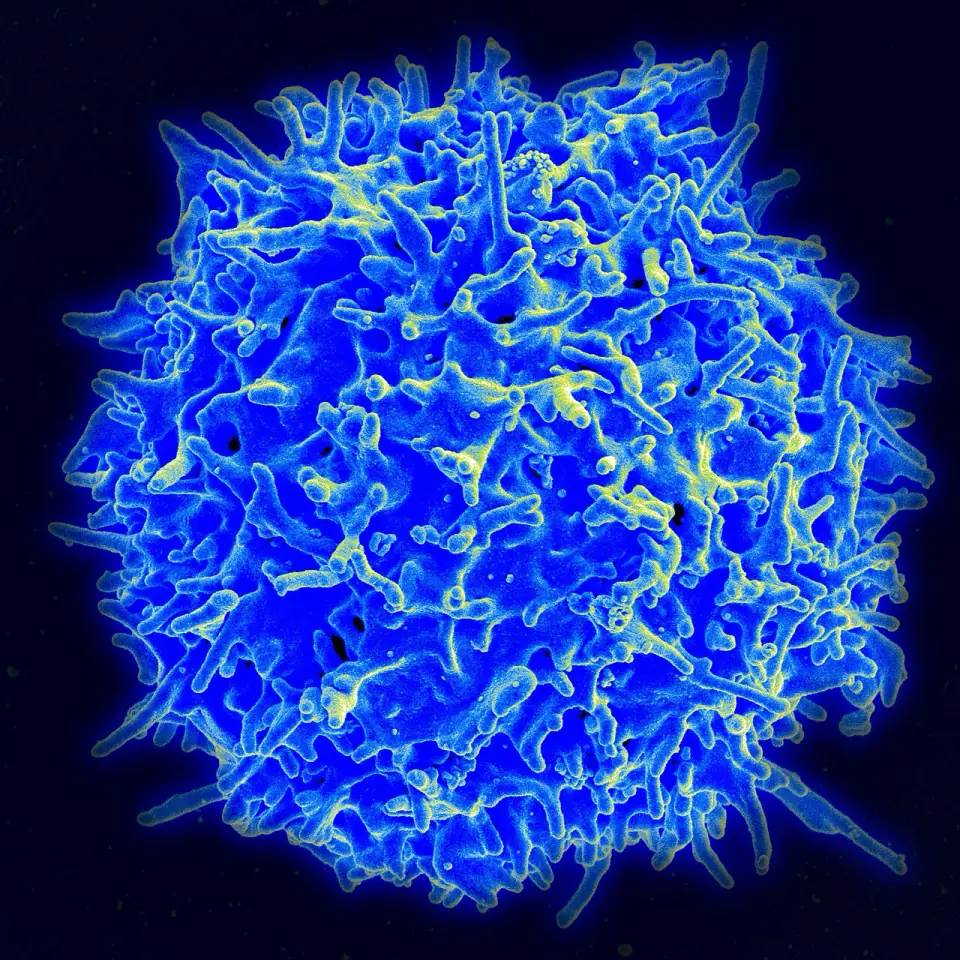
CAR-T cell therapy in non-Hodgkin lymphoma: a clinical trial landscape review
HematologiaPor ScienceMed · · a partir do resumo dos autores
Resumo original em inglês
O que aconteceu
Chimeric antigen receptor T cell (CAR-T) therapy has emerged as a transformative treatment modality for selected subtypes of non-Hodgkin lymphoma (NHL). While multiple CAR-T products have demonstrated remarkable clinical activity, the overall clinical development landscape remains heterogeneous, with substantial variation in trial design, target selection, geographic distribution, and endpoint prioritization. A comprehensive analysis of the global clinical trial landscape is essential to contextualize current progress and identify unmet needs in this rapidly evolving field.
We conducted a systematic landscape analysis of CAR-T-related clinical trials for NHL using the Trialtrove database. Interventional trials registered up to December 18, 2025, were retrieved using predefined search criteria. Eligible studies were screened according to standardized inclusion and exclusion criteria. Key trial characteristics, including trial status, phase, geographic location, sponsor type, molecular targets, and reported clinical endpoints, were extracted and analyzed descriptively.
O que encontraram
A total of 360 eligible clinical trials were included in the final analysis. The global CAR-T clinical trial landscape in NHL is characterized by rapid expansion and a predominant focus on early-phase development. Trial activity is highly concentrated in a limited number of countries, with academic institutions serving as the primary drivers of clinical investigation. CD19-directed CAR-T therapies dominate the current landscape, although emerging diversification toward alternative targets is evident. Reported study endpoints largely emphasize safety and short-term efficacy, whereas durable clinical outcomes remain less frequently assessed, reflecting the exploratory nature of most trials.
Por que isso importa
CAR-T therapy development in NHL continues to advance rapidly, driven by academic innovation and expanding preclinical insights. However, persistent challenges related to antigen escape, treatment durability, and trial design remain. Future progress will require the integration of next-generation CAR engineering strategies, broader incorporation of long-term clinical endpoints, and alignment with evolving regulatory and policy frameworks to support sustainable clinical translation.
Resumo publicado sob licença CC BY. A tradução para o português ainda não chegou a este estudo.
O estudo original
CAR-T cell therapy in non-Hodgkin lymphoma: a clinical trial landscape review
Jinyu Wu, Yun Liao, Wen Wang, Xin Zhang
Descritores MeSH
- Lymphoma, Non-Hodgkin
- Receptors, Chimeric Antigen
- Immunotherapy, Adoptive
- Treatment Outcome
- Receptors, Antigen, T-Cell
- Clinical Trials as Topic
- Humans
Veja também
Estudos relacionados
- Mapping the clinical landscape of multifunctional CAR T cells: Targets, trends, and synergies
- Efficacy and Safety of Chimeric Antigen Receptor (CAR)-T Cell Therapy in Patients with Non-Hodgkin Lymphoma: A Systematic Review and Meta-Analysis
- Chimeric Antigen Receptor T-Cell (CAR T-Cell) Therapy for Primary and Secondary Central Nervous System Lymphoma: A Systematic Review of Literature
- Eficácia e segurança da terapia com células T do receptor do antígeno quimérico no linfoma do sistema nervoso central primário: revisão sistemática e metanálise