Canadian Society Breast Imaging Position Statement on Mammographic Breast Density and Supplemental Screening
OncologiaResumo original em inglês
O que aconteceu
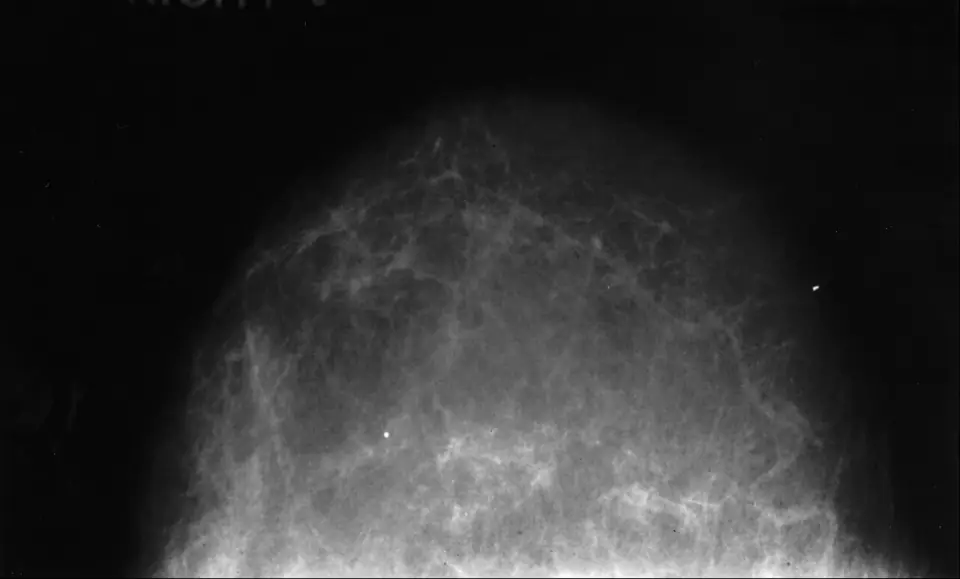
Screening aims to detect breast cancer before it becomes clinically apparent, enabling identification of tumors when they are smaller and have not yet spread and when treatment options are more effective, less invasive, and more affordable. However, screening mammography has known limitations, with breast density being a primary challenge. Denser breast tissue not only increases the likelihood of cancer but also makes tumors harder to detect due to overlapping tissue. Strong evidence now exists to support updating our previous guidelines to recommend supplemental screening beyond mammography for individuals with American College of Radiology category c or d breast density. Supplemental screening methods, such as MRI, contrast-enhanced mammography (CEM), or US (in that order of preference) can significantly improve cancer detection rates. We recognize that implementing these recommendations across Canada will present challenges. Nevertheless, a collaborative effort among radiologists, health care stakeholders, and policymakers is essential to drive gradual, meaningful improvements in breast cancer detection and outcomes.
Resumo publicado sob licença CC BY. A tradução para o português ainda não chegou a este estudo.
O estudo original
Canadian Society Breast Imaging Position Statement on Mammographic Breast Density and Supplemental Screening
Zina Kellow, Supriya Kulkarni, Paula B Gordon, Jean M Seely
Descritores MeSH
- Breast Density
- Breast Neoplasms
- Mammography
- Early Detection of Cancer
- Contrast Media
- Female
- Humans
- Magnetic Resonance Imaging
- Societies, Medical
- Breast