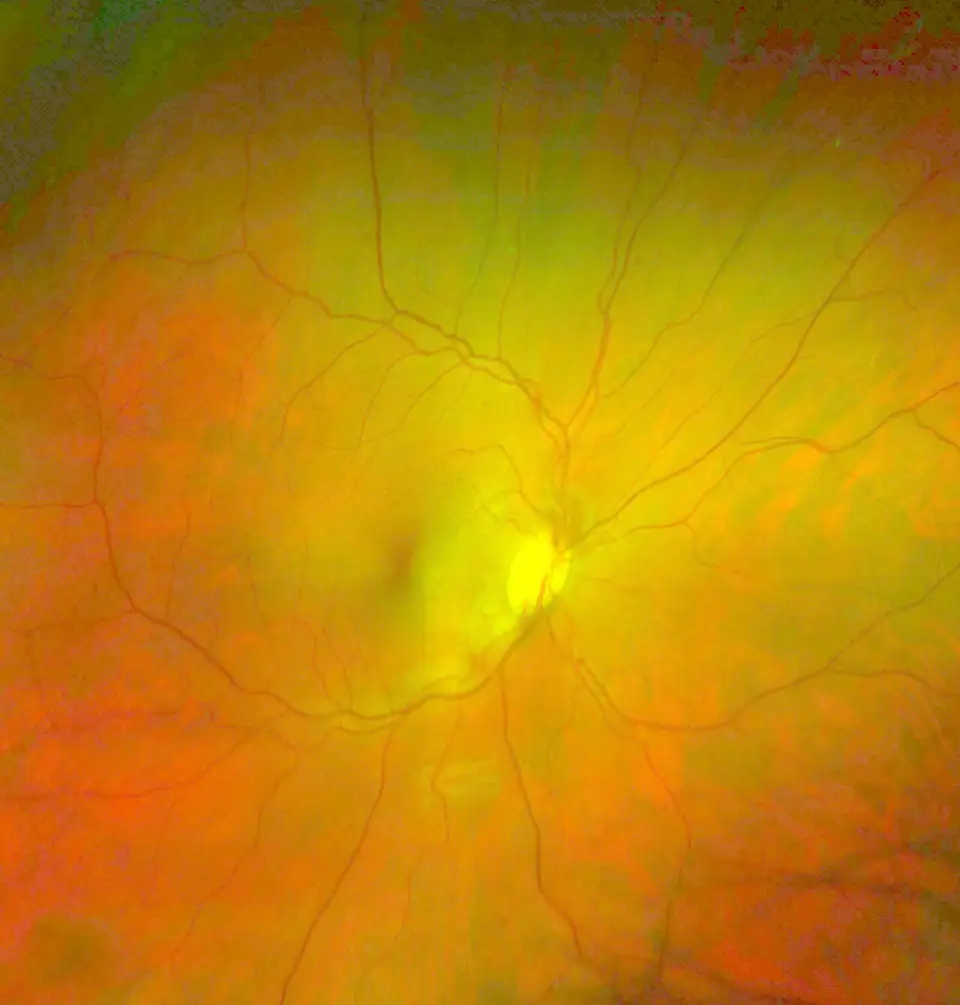
Avaliação de uma Intervenção Nova para Indivíduos em Alto Risco de Cegueira por Retinopatia Diabética: Piloto do Programa SEEN
PreprintOftalmologiaPré-publicação. Ainda não revisada por pares; não deve orientar conduta.
O que aconteceu
Objective To evaluate the feasibility and acceptability of the Sight-Saving Engagement and Evaluation in New Haven (SEEN) Program, designed to engage individuals at high risk for diabetic retinopathy (DR) in eye care. Study Setting and Design In this single-arm, nonrandomized, prospective intervention at a tertiary-care-affiliated institution in the Northeastern US, we enrolled 35 adults with diabetes at highest-quartile risk for DR, with no eye exam in the preceding year. Participants underwent comprehensive eye examination, DR education, and one year of social needs navigation by a community partner. We conducted a multi-method evaluation assessing program feasibility, acceptability, and preliminary clinical outcomes over 12 months. We thematically analyzed semi-structured interviews with participants, research team, and key partners. We organized themes using the RE-AIM, SEEN screening determinants, and Tailored Implementation in Chronic Diseases frameworks. Data Sources and Analytic Sample We collected surveys and electronic health record data from participants between July 2022 and September 2024. We conducted one-on-one interviews to understand the experience of the program between July 2024 and October 2024. Principal Findings We enrolled 26.5% of eligible individuals. Of 35 participants, 30 (85.7%) completed baseline social needs assessment, 25 (71.4%) completed the program, and 15 (42.9%) underwent a follow-up eye exam. Patient navigators identified 31 social needs among 22 participants (62.9%). They spent a mean 96.8 (SD 43.8) minutes navigating participants over 12 months. Only two needs (6.5%) remained unresolved or unmet. HbA1c decreased among study completers (9.8 to 8.5; p=0.03). From 20 interviews, we identified 10 themes in 4 categories: feasibility (implementation, adaptive strategies, opportunities), acceptability (team dynamics, interpersonal interaction, procedural interface), appropriateness (external context, emotional context), and effectiveness (resources provided, lifestyle impact). Conclusions Pilot results support the feasibility and acceptability of the SEEN model to engage individuals at high risk for DR in eye care.
Trecho mantido em inglês: a tradução automática não passou na conferência de números.
Tradução automática do resumo original, publicado em medRxiv sob licença CC BY. Os números são conferidos contra o original; siglas e termos técnicos podem variar.
O estudo original
Evaluation of a Novel Intervention for Individuals at High Risk for Blindness from Diabetic Retinopathy: the SEEN Program Pilot
Serina S Applebaum, Akua A. Frimpong, Alvaro Granados, Julia Jieyu Fu, Shannan G Moore, Thomas Chang, Brittany Assanah-Lewis, Joana E. Andoh, June Weiss, Jingchen Liang et al.