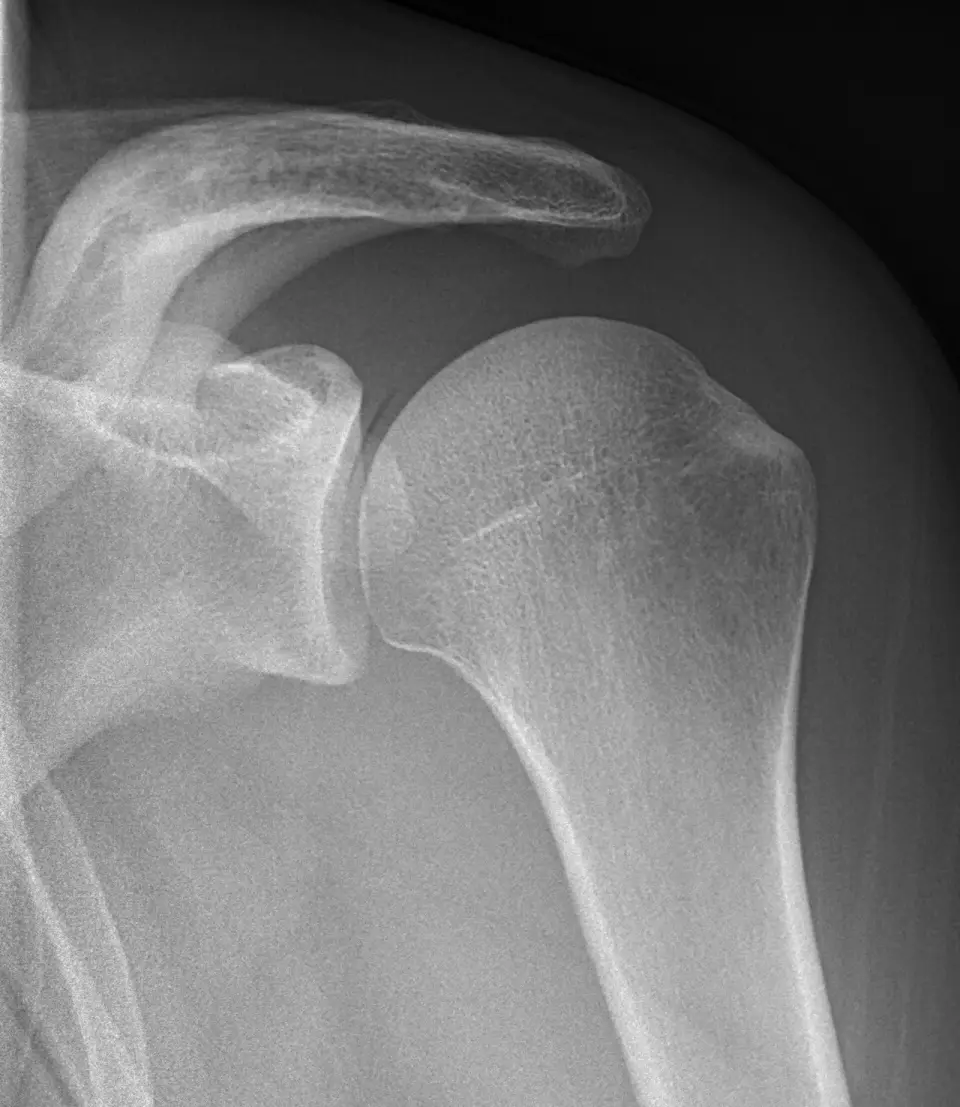
Arthroscopic Capsular Release Versus Manipulation under Anesthesia for Refractory Frozen Shoulder: A Systematic Review with Meta-Analysis
OrtopediaPor ScienceMed · · a partir do resumo dos autores
Resumo original em inglês
O que aconteceu
Frozen shoulder (FS) is a painful and debilitating condition affecting the shoulder joint. When patients fail to improve after conservative treatments, operative treatments including arthroscopic capsular release (ACR) and manipulation under anesthesia (MUA) are recommended. However, the comparison between these two interventions remains controversial. This study aimed to compare the efficacy and safety of ACR and MUA for refractory FS.
A systematic review and meta-analysis was conducted following the Preferred Reporting Items for Systematic Review and Meta-analyses (PRISMA) guidelines. PubMed, EMBASE, Cochrane Library, and Web of Science were searched for eligible studies until December 10, 2023. Meta-analyses were conducted using Manager V.5.3.3. Pooled effect sizes were expressed as the weighted mean difference (WMD) or odds ratio (OR) with 95% confidence intervals (CIs).
O que encontraram
A total of eight comparative studies with 768 patients were included. Compared with MUA, ACR had statistically better Δ VAS (WMD, -0.44; 95% CI, -0.71 to -0.18; I2 = 6%; p = 0.001) at over 12-month follow-up, which did not reach the minimal clinically important difference (MCID). Other outcomes regarding pain relief, function, and range of motion (ROM) improvements were not statistically different between the two groups at different follow-up timepoints. Compared with the MUA group, the ACR group had a significantly higher rate of severe complications (OR, 4.14; 95% CI, 1.01 to 16.94; I2 = 0%; p = 0.05), but comparable rates of mild complications and additional intervention.
Por que isso importa
In treating refractory FS, ACR demonstrated comparable pain relief, functional and ROM improvements, rates of mild complications and additional intervention but a higher risk of severe complications to MUA during short-term follow-up periods. Notably, ACR exhibited statistically superior improvement in the long-term pain relief compared to the MUA group, although it did not reach the MCID.
Resumo publicado sob licença CC BY. A tradução para o português ainda não chegou a este estudo.
O estudo original
Arthroscopic Capsular Release Versus Manipulation under Anesthesia for Refractory Frozen Shoulder: A Systematic Review with Meta-Analysis
Yanmin Zhao, Ting Yang, Chenchen Feng, Lang Li, Long Pang, Shuzhen Zhao
Descritores MeSH
- Arthroscopy
- Bursitis
- Joint Capsule Release
- Humans
- Manipulation, Orthopedic
- Range of Motion, Articular
Veja também
Estudos relacionados
- Similar outcomes between arthroscopic capsular release and manipulation under anesthesia for frozen shoulder: A meta-analysis
- Arthroscopic capsular release versus manipulation under anaesthesia for treating frozen shoulder - a prospective randomised study
- Management of adults with primary frozen shoulder in secondary care (UK FROST): a multicentre, pragmatic, three-arm, superiority randomised clinical trial
- Embolização transarterial versus Manipulação sob Anestesia e liberação capsular artroscópica para Capsulite Adessiva Refractária - Análise de Custo-Efetividade