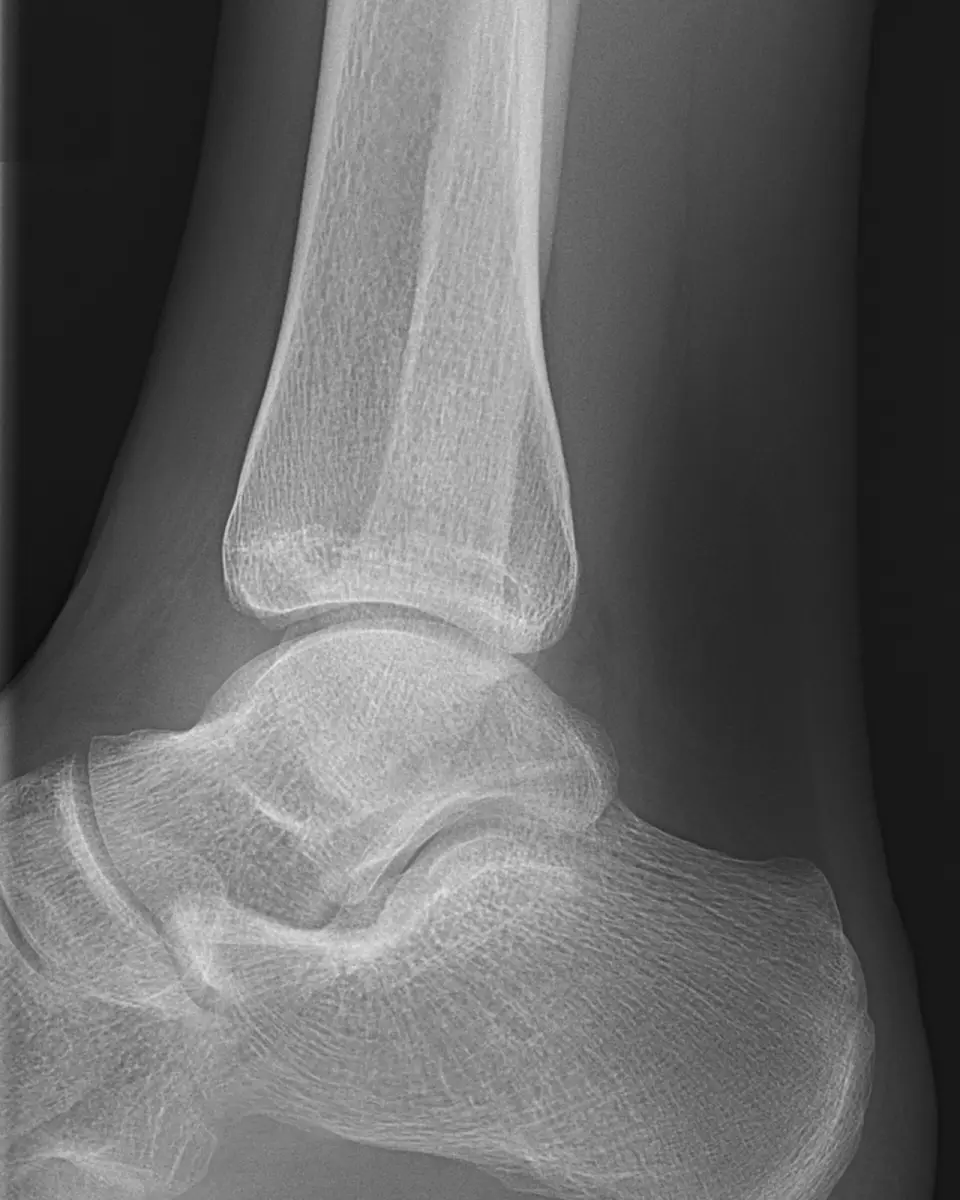
A Comparative Analysis of Pain Control Methods after Ankle Fracture Surgery with a Peripheral Nerve Block: A Single-Center Randomized Controlled Prospective Study
OrtopediaPor ScienceMed · · a partir do resumo dos autores
Resumo original em inglês
O que aconteceu
Background and Objectives: Patients experience severe pain after surgical correction of ankle fractures. Although their exact mechanism is unknown, dexamethasone and epinephrine increase the analgesic effect of anesthetics in peripheral nerve blocks. This study aimed to compare the postoperative pain control efficacy of peripheral nerve blocks with ropivacaine combined with dexamethasone/epinephrine and peripheral nerve blocks with only ropivacaine and added patient-controlled analgesia in patients with ankle fractures. Materials and Methods: This randomized, controlled prospective study included patients aged 18-70 years surgically treated for ankle fractures between December 2021 and September 2022. The patients were divided into group A (n = 30), wherein pain was controlled using patient-controlled analgesia after lower extremity peripheral nerve block, and group B (n = 30), wherein dexamethasone/epinephrine was combined with the anesthetic solution during peripheral nerve block. In both groups, ropivacaine was used as the anesthetic solution for peripheral nerve block, and this peripheral nerve block was performed just before ankle surgery for the purpose of anesthesia for surgery. Pain (visual analog scale), patient satisfaction, and side effects were assessed and compared between the two groups. Results: The patients' demographic data were similar between groups. Pain scores were significantly lower in group B than in group A postoperatively. Satisfaction scores were significantly higher in group B (p = 0.003). There were no anesthesia-related complications in either group. Conclusions: Dexamethasone and epinephrine as adjuvant anesthetic solutions can effectively control pain when performing surgery using peripheral nerve blocks for patients with ankle fractures.
Resumo publicado sob licença CC BY. A tradução para o português ainda não chegou a este estudo.
O estudo original
A Comparative Analysis of Pain Control Methods after Ankle Fracture Surgery with a Peripheral Nerve Block: A Single-Center Randomized Controlled Prospective Study
Jeong-Kil Lee, Gi-Soo Lee, Sang-Bum Kim, Chan Kang, Kyong-Sik Kim, Jae-Hwang Song
Descritores MeSH
- Ankle Fractures
- Nerve Block
- Dexamethasone
- Epinephrine
- Humans
- Ropivacaine
- Postoperative Pain
- Peripheral Nerves
- Prospective Studies
- Anesthetics, Local
Veja também
Estudos relacionados
- Does Liposomal Bupivacaine Provide Superior Postoperative Analgesia Compared With Ropivacaine With Dexamethasone in Suprainguinal Fascia Iliaca Compartment Block for THA? A Randomized Controlled Trial
- Rebound Pain After Arthroscopic Cuff Repair With Interscalene Brachial Plexus Block Anesthesia Is Reduced by Surgeon-Administered Multimodal Shoulder Injections: A Prospective Randomized Controlled Trial
- Epinephrine and Dexamethasone as Adjuvants in Upper Extremity Peripheral Nerve Blocks in Pediatric Patients
- Comparação da eficácia analgésica do grupo pericapsular de bloqueio nervoso versus bloqueio anterior do lomborum do quadril em pacientes adultos submetidos a artroplastia unilateral do quadril: Ensaio clínico controlado randomizado comparativo